April 11, 2024
Corn & Soybean Basis Steady to Slightly Stronger Across the Eastern Corn Belt
by Nathanael Thompson


In recent weeks, corn basis has been steady to slightly stronger across much of the eastern Corn Belt. For example, corn basis in central Indiana for the second week of April was $0.18/bu. under May ’24 corn futures (Figure 1). This is $0.06/bu. stronger than the first week of March. Although current basis levels in central Indiana are still about $0.13/bu. weaker than the historical 3-year average corn basis for the region, as expected, the difference between 2023-2024 basis levels and typical basis levels for the most recent three years (2020-2021, 2021-2022, and 2022-2023) has continued to narrow.
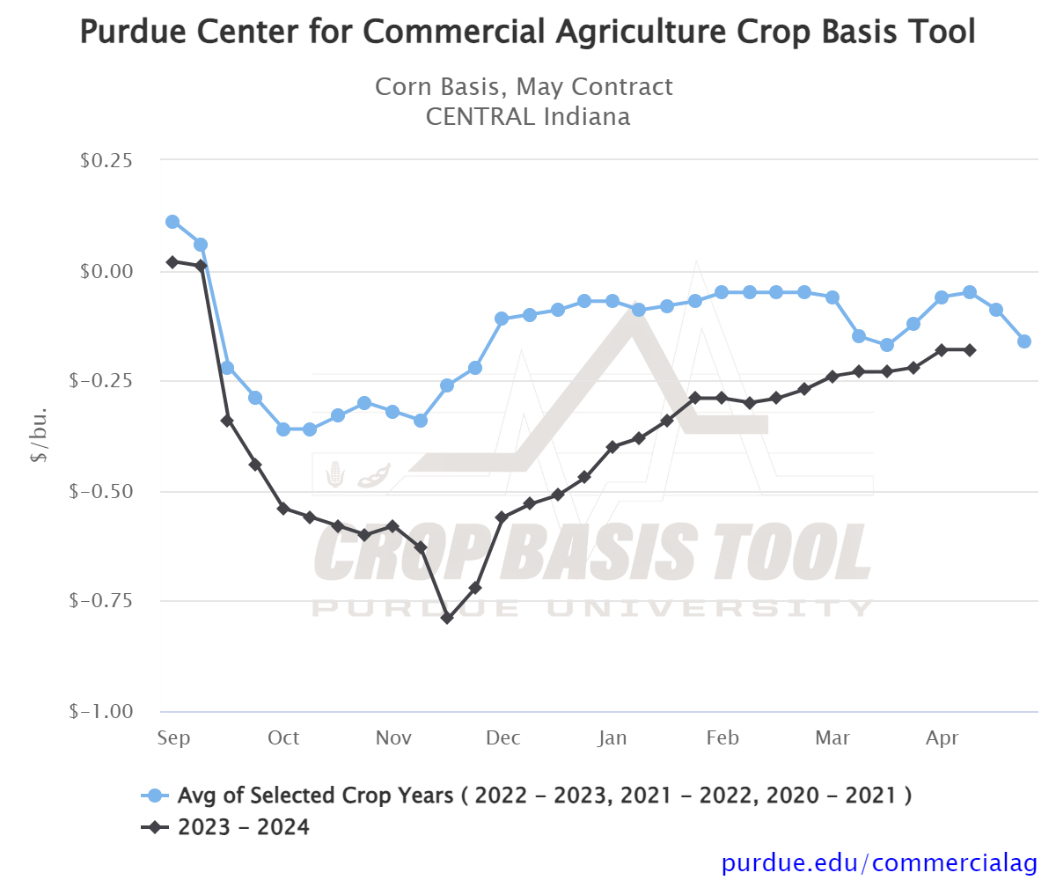
Figure 1. Corn Basis, May Contract for Central Indiana Source: Purdue Center for Commercial Agriculture Crop Basis Tool
Soybean basis has been mostly steady across much of the eastern Corn Belt in recent weeks. For example, soybean basis in central Indiana for the second week of April was $0.20/bu. under May ’24 soybean futures (Figure 2). This is just $0.05/bu. stronger than the first week of March and is $0.02/bu. stronger than the historical 2-year average soybean basis for the region.
Moving forward, attention will begin to shift to planting the ’24 crop and new crop condition will weigh heavily on old crop basis levels. As a result, our research has shown that predicting basis levels during May, June, and July is very difficult. Those still owning ’23 crop will want to be cognizant of this risk and pay close attention to basis levels if they plan to continue owning grain into the summer months. As always, be sure to visit the Purdue Center for Commercial Agriculture Crop Basis Tool to check current corn and soybean basis levels and historical basis trends in your local area.
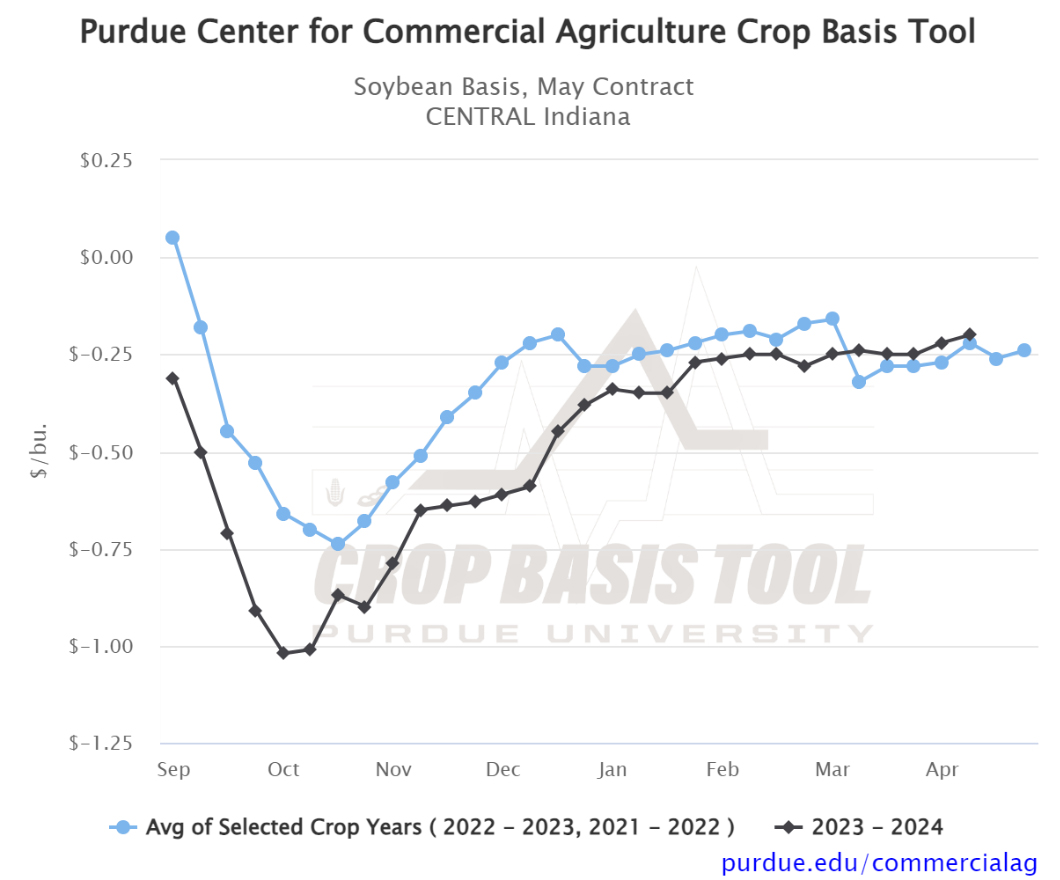
Figure 2. Soybean Basis, May Contract for Central Indiana Source: Purdue Center for Commercial Agriculture Crop Basis Tool
TAGS:
TEAM LINKS:

RELATED RESOURCES
UPCOMING EVENTS
We are taking a short break, but please plan to join us at one of our future programs that is a little farther in the future.