No results found!
program
Farm Business Student Internship
Summer 2020
January 1, 2019
resource
2019 Ag Outlook
Recorded December 19, 2018 | Purdue ag economists Chris Hurt, Michael Langemeier, and Jim Mintert discuss updated corn and soybean supply/demand information, planting decisions, and the implications for farmers of the recently passed 2018 Farm Bill.
December 19, 2018
sub-articles
Assessing Financial Management Skills
Utilizing key performance indicators is an important ingredient in creating an environment that stresses continuous improvement.
December 15, 2018
paer_article
What is the Farm Bill and why is it important right now?
This brief is intended to provide an overview of the Farm Bill process including the key issues of scope and timing. Growth in the federal deficit along with the broad scope and time sensitive nature of Farm Bill expiration make for an uncertain future for farm programs and other included measures.
December 6, 2018
The President’s budget as a start for 2018 Farm Bill negotiations
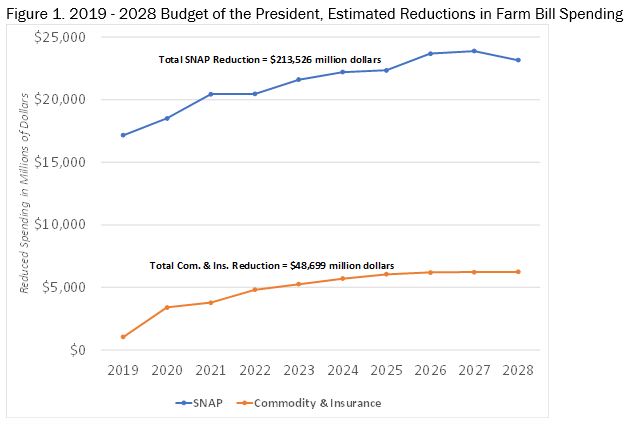
This brief uses the occasion of President Trump’s fiscal 2019 budget to review the role of presidential administrations in Farm Bill deliberations. We look at specific proposals offered in the new budget document and identify how those might be interpreted in comparison to previous published budget documents.
How does the USDA help hungry families?
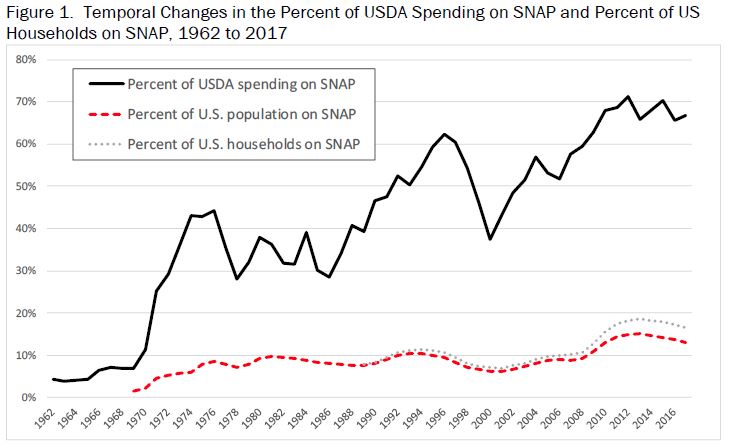
This brief describes federal food assistance programs administered through the U.S. Department of Agriculture. These programs represent the over 70% of the USDA budget and affect millions of U.S. citizens.
The Effects of Tariffs on the U.S. Economy
The U.S. is considering tariffs on imports of steel and aluminum. This brief analyzes the effects of tariffs on our production of goods and services, and on employment, inflation, interest rates and exchange rates.
Impacts of the Tariff between U.S. and China on American Agriculture
Over the past two weeks, U.S. and Chinese governments announced a series of tariffs against each other’s export. These tariff threats, if materialized, may cause multi-billion dollars of export loss for the U.S. farmers because pork and soybeans, the two largely exported agricultural commodities are included on the list of products being heavily tariffed.
Conservation Title of the April 12th Draft House Farm Bill
On April 12th, the Republican majority of the House Agriculture Committee reported out a draft Agriculture and Nutrition Act of 2018. Title II, the Conservation Title, includes substantial changes to several existing programs. The Conservation Reserve Program acreage cap is lifted from 24 to 29 million acres and contract rents are reduced to 80% of county averages. Reduced rental rates may make this land retirement program less attractive to farmers, especially if commodity prices increase. Reduced rental rents may also keep high quality productive land from going into the reserve. For the working lands programs, the Conservation Security Program (CSP) is eliminated and some of its components put under the Environmental Quality Incentive Program (EQIP). Whole farm comprehensive program options that were available in the CSP are reduced without commensurate increases in the practice specific EQIP programs. The combined program budget is cut by 20%.
Crop Insurance Guarantees
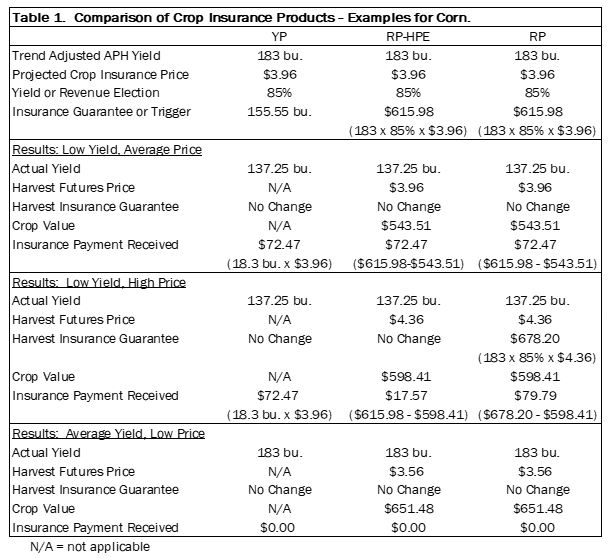
Crop insurance can be an effective tool to mitigate downside risk on crop farms. As with last year’s crops, in 2018 there are several crop insurance products to choose from in the Corn Belt. This brief provides an illustration of insurance guarantees and potential insurance payments for various yield and price scenarios.
Comparison of Crop Insurance Products
This brief provides a brief discussion of crop insurance products available in 2018. Crop insurance products differ by whether they protect against low yields or low revenue, whether they pertain to farm or county yields, and by coverage level.
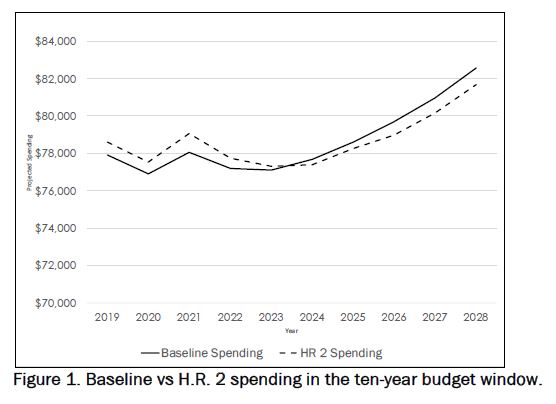
Budgeting the Farm Bill: Understanding the spending in the House Agriculture Committee’s Proposal (H.R. 2)
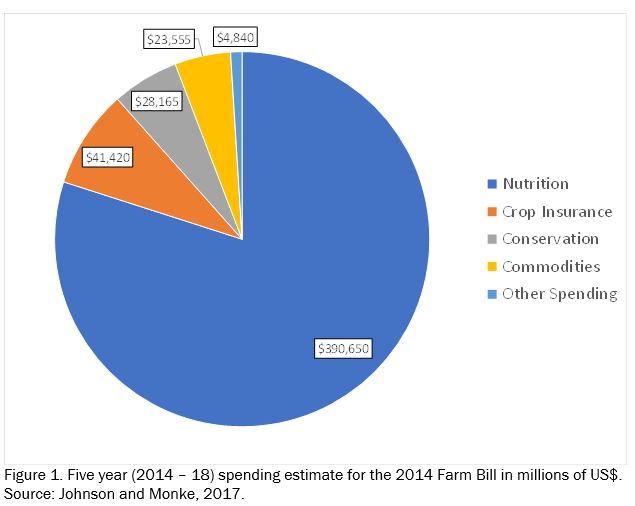
In this brief, we examine the rules that control federal spending legislation and the potential impacts on replacing the 2014 Farm Bill. Congress (via the House Agriculture Committee) has released a draft 2018 Farm Bill that provides some insight into the limits that budgetary rules place on changing the system of farm and food programs in the U.S.
Do We Desire Zero Food Waste?
In 2010, U.S. households wasted 21% of the total food available for consumption. In response to this waste, a number of U.S. localities have considered policies (disposal taxes) directed toward reducing this waste. Currently there is no federal food-waste disposal tax. Determining the preferred government policies toward food waste requires an understanding of the household response to policies. This unravels the interrelation between social food insecurity and external environmental costs, which households do not generally consider when they waste food. Such an unraveling will only yield zero food waste if there is certainly in future food consumption, no governmental costs associated with waste mitigation and households are very responsive toward reducing their food waste to zero in response to government policies. Otherwise, some positive level of food waste is socially preferred.
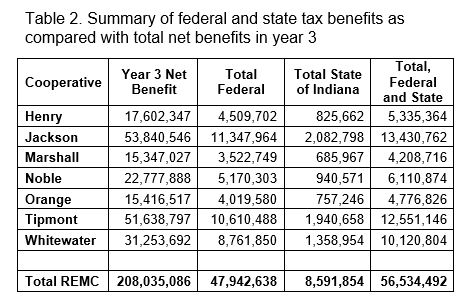
Economic and Policy Analysis of Potential Deployment of Rural Broadband in Indiana
This policy brief projects the statewide net benefits that could be obtained from installation of rural broadband in all of the areas served by Rural Electric Member Cooperatives (REMC) in the State of Indiana. It also explains why despite the large projected net benefits, some form of policy intervention likely will be needed to achieve widespread rural broadband deployment.
How Differing Trade Policies May Impact U.S. Agriculture: The Potential Economic Impacts of TPP, USMCA, and NAFTA
In the last two years, the United States has reversed the post-World War II trend toward the lowering of trade barriers and a commitment towards multilateral free trade. Citing a need to “level the playing field” and hold trading partners accountable to their commitments, the current Administration has moved towards a more protectionist and perhaps mercantilist position vis-à-vis trade policy. One of the Administration’s first actions in this regard was the decision to leave the Trans-Pacific Partnership (TPP) agreement, followed thereafter by raising tariffs on steel and aluminum imports. The Administration’s actions on trade are likely to have significant implications for U.S. farmers as these actions target three of the largest markets for U.S. agricultural exports – Canada, China and Mexico – accounting for some 44%, and representing an average of $63 billion, of U.S. agricultural exports 2013 to 2015
Cash Rents and Farmland Values Remain Under Downward Pressure
Last year at this time, many forecasters indicated the worst of the margin pressure appeared to be behind production agriculture. Farmers had achieved some success in lowering per unit cost of production.
December 5, 2018