

Department of Forestry and Natural Resources appoints its first Conservation Scholar
Andrew DeWoody: Growing global conservation impact
Andrew DeWoody, professor in the Department of Forestry and Natural Resources (FNR), has been named the inaugural Conservation Scholar, a title that recognizes his award-winning research in conservation genomics, molecular ecology, population biology, wildlife and fisheries management and natural history.
"Andrew DeWoody is a global leader in animal conservation genetics. He has raised the profile of Purdue, the College of Agriculture and FNR, not only through his impactful research contributions, but also through his engagement with global, national and state conservation agencies and non-government organizations."
- Tomas Höök, professor and department head of the Department of Forestry and Natural Resources.
Höök continued, "I look forward to seeing how he can help further advance FNR's role as a leader in conservation science."
DeWoody earned both a Bachelor of Science in wildlife and fisheries and a Master of Science (M.S.) in genetics, from Texas A&M University. He also holds a Ph.D. in zoology from Texas Tech University and completed a postdoctoral fellowship in genetics at the University of Georgia.
From eagles to ecosystems: Conservation has no borders
Since joining Purdue University in 2001, DeWoody has advanced the scientific foundations that guide how managers and conservationists make informed decisions about the use, management and conservation of natural resources and the environment, particularly through the lens of evolutionary principles.
“I often relate conservation to society, and how a lot of work suggests that diversity within our society is generally a good thing—the same principle applies to biology,” noted DeWoody.
“More diversity—whether in ecosystems, species or genetic variation—contributes to a more robust and resilient environment. The conservation of these resources is in the long-term best interest of both people and nature.”
- Andrew DeWoody
DeWoody’s interdisciplinary research spans multiple facets of population biology to address pressing natural resource and conservation challenges, including the conservation of gray whales in the Pacific. His work combines both basic and applied research related to wildlife and fisheries management, the conservation of threatened and endangered species, and the use of genomic diversity metrics in conservation threat assessments performed by organizations like the International Union for Conservation of Nature and the U.S. Fisheries and Wildlife Service.
Mentoring minds, advancing conservation
DeWoody has published over 200 peer-reviewed articles, book chapters, extension articles, reviews and opinions that have been cited well over 10,000 times.
His contributions have been recognized through numerous honors, awards and a strong record of research grant support. At Purdue, he has received several notable distinctions, including the Purdue University TEAM Award (2011), the Agricultural Research Award (2011), FNR Outstanding Graduate Educator (2011-2012), and University Faculty Scholar (2009-2014).
DeWoody has developed and taught a variety of courses within FNR, including “Conservation Genetics” and “Desert Summer Practicum,” and has mentored dozens of M.S. and Ph.D. students who have received prestigious awards under his supervision. DeWoody continues to shape the next generation of scientists while amplifying the impact of conservation efforts worldwide. In 2025, DeWoody was a U.S. Fulbright Scholar appointed by the U.S. State Department.
“After many years of working in conservation, it’s rewarding to continue advancing some of the international conservation work we’ve been developing over the last number of years.”
- Andrew DeWoody
Featured Stories

Alisa Tilson (BS '96, Natural Resources and Environmental Science) works for CDOT’s...
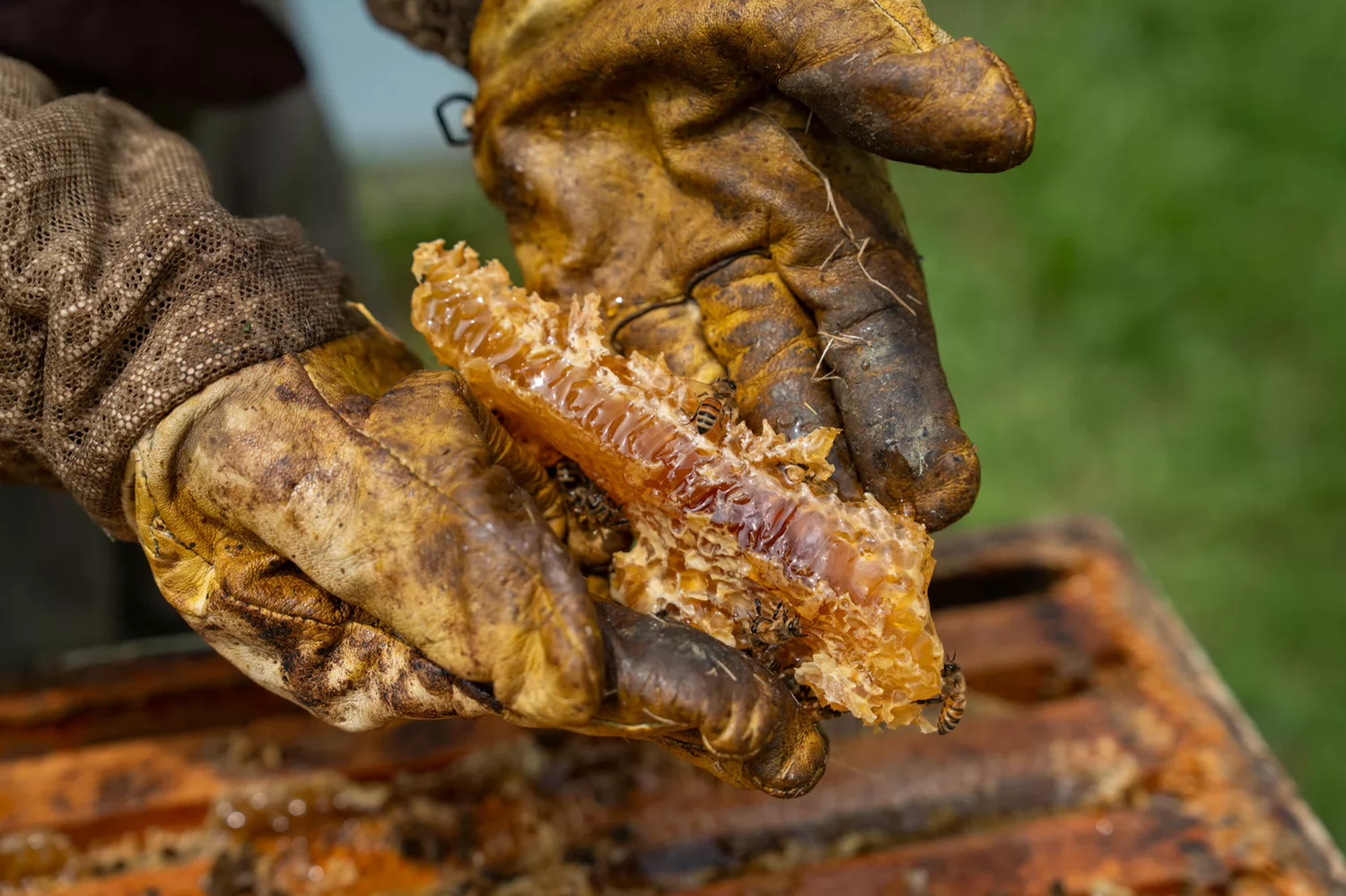
Behind every jar of honey is a fascinating story of pollination, research, and hands-on learning....
Maksym Chepeliev, a leading international scholar recognized prominently for his work in...
In recent years attendees at Purdue Agriculture alumni, donor, and faculty and staff events have...
People think grass is simple. Lawns, right? Mow regularly and add some water and fertilizer. What...

The Office of Indiana State Chemist (OISC) is warning Indiana residents about an illegal...