

3D models of plants for research available at the Ag Alumni Seed Phenotyping Facility
Corn stalks, sunflowers, bushy soybeans and young tree saplings have all traveled the conveyor belts in the Ag Alumni Seed Phenotyping Facility (AAPF), captured by cameras in red, green, blue, x-ray and even wavelengths outside of human vision. Instead of growing plants in a greenhouse and studying them in a lab when they come of a certain age, the AAPF collects data on plants with these cameras and specialized sensors routinely and automatically throughout their lives.
Plant scientists study how a plant’s genetics interact with their environment and management to produce its individual physical characteristics, or phenotype. In phenotyping, scientists use cameras and sensors to collect more data about the plants and how they grow. It’s key to unlocking new areas of plant research, learning how to best preserve Earth’s important ecosystems and cultivating new varieties of crops that might be better able to handle environmental stress or disease.
Xiaomeng Liu, a computer engineer and postdoctoral scholar for the AAPF and Institute for Plant Sciences, has built a computer algorithm to use 2D images from AAPF’s RGB (red, green, blue) camera to build 3D models of the plants.
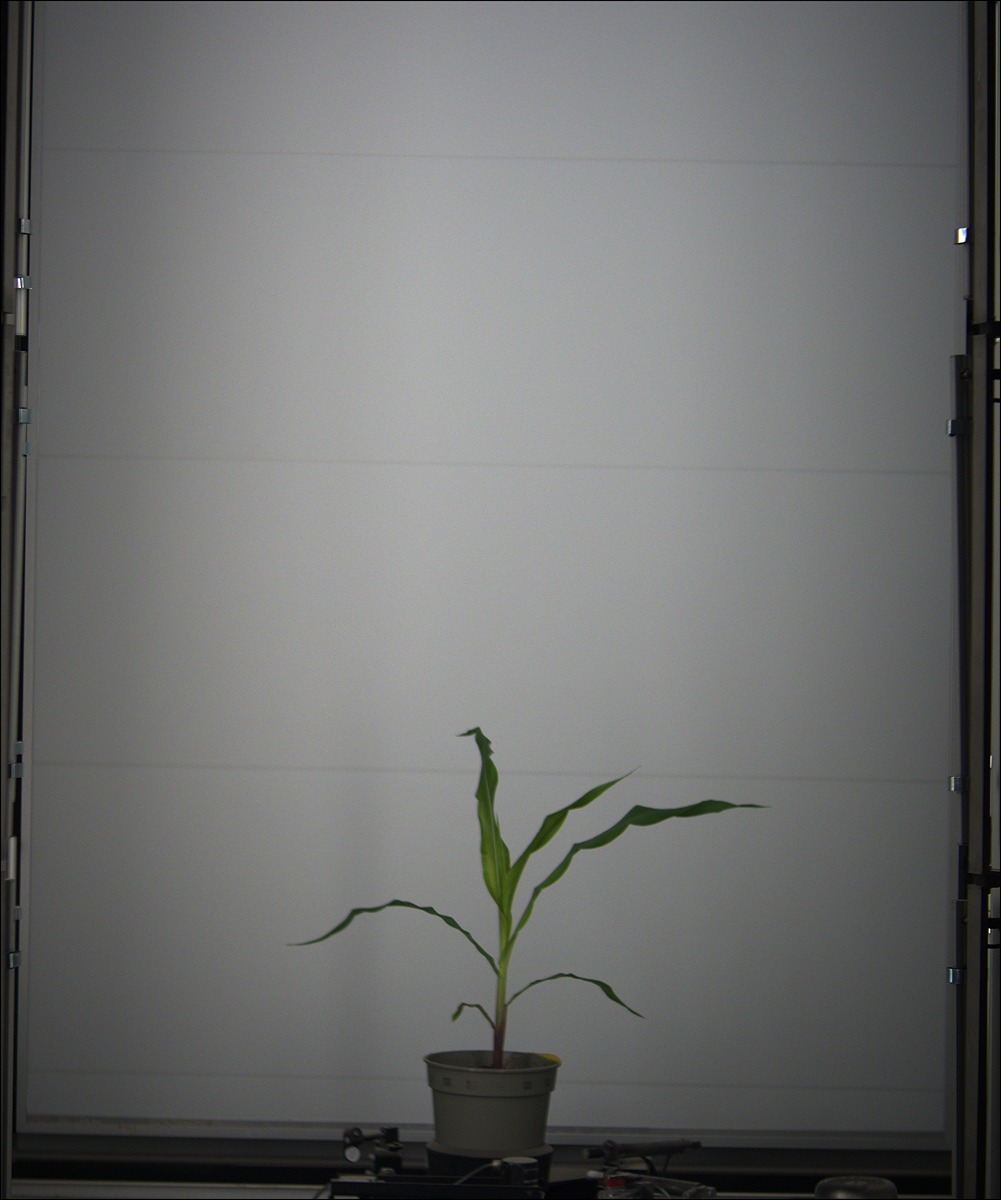
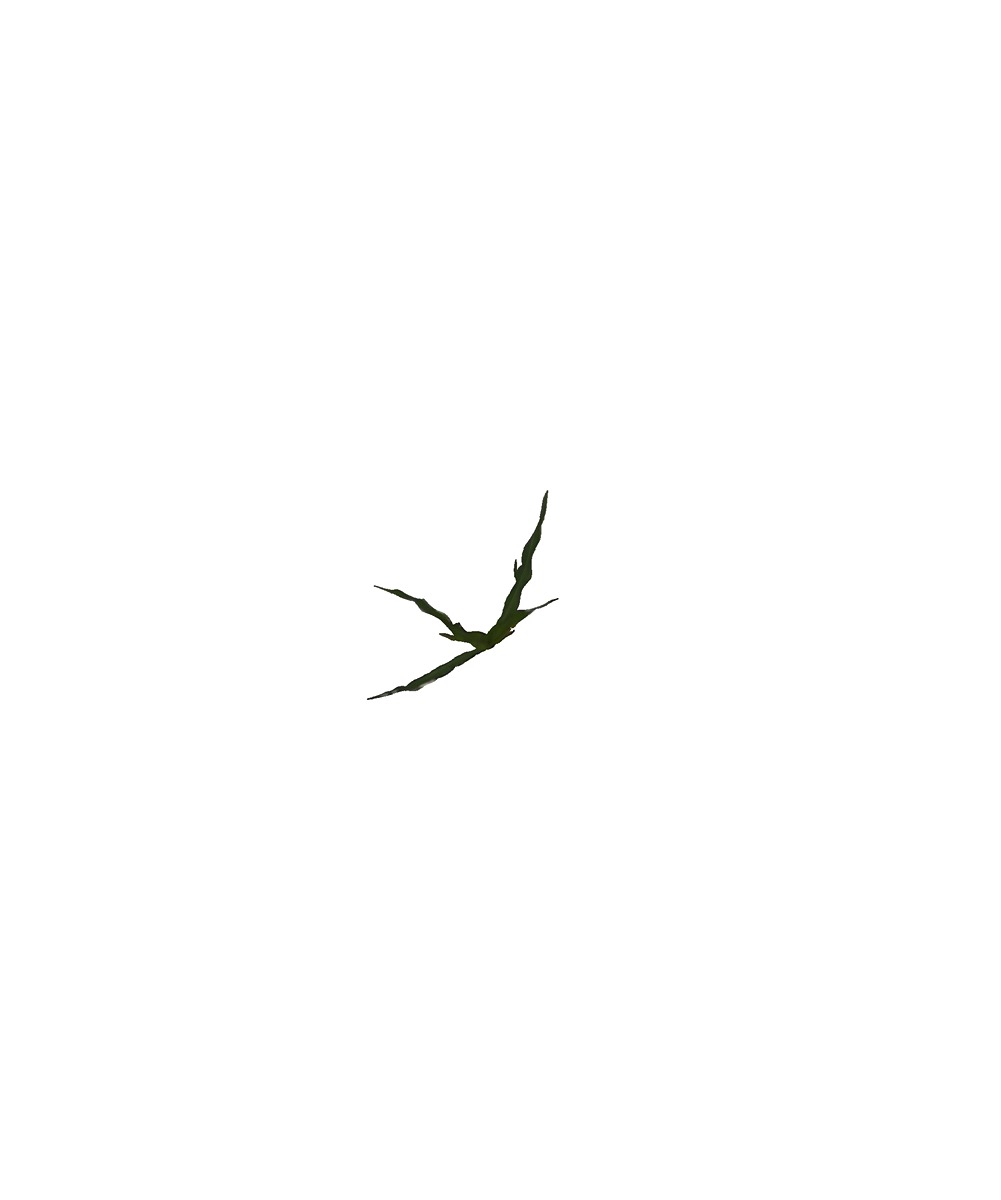 Plants rotate and allow the RGB camera to take 12 images of their side profile and one directly above them. The AAPF can now pull these images together and create a point cloud 3D model.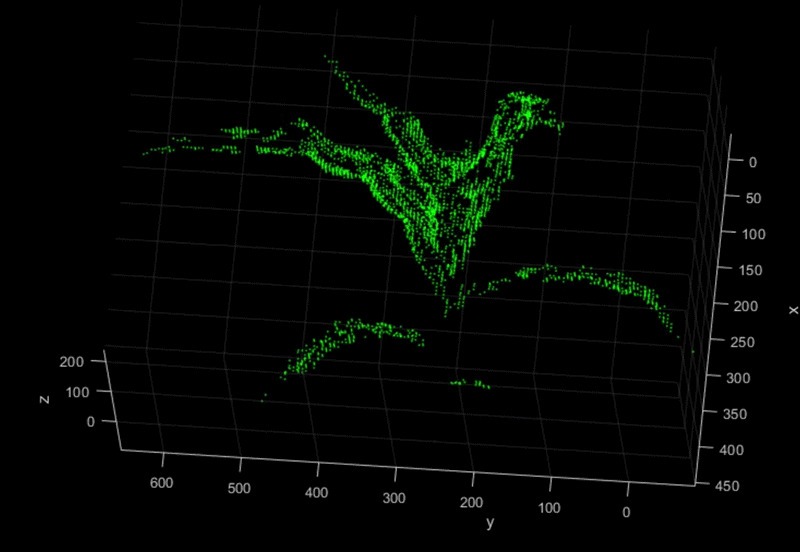
Michael Gosney, an AAPF specialist, said the 3D models could be used to measure physical characteristics of the plant, “This will be able to give us the lengths of leaves for corn and width as well. For example, a leaf has a curve, but we can tell you how long it is from the stem to the tip with this technology.”
The 2D photos already produced by the RGB cameras at the AAPF can collect measurement data, but they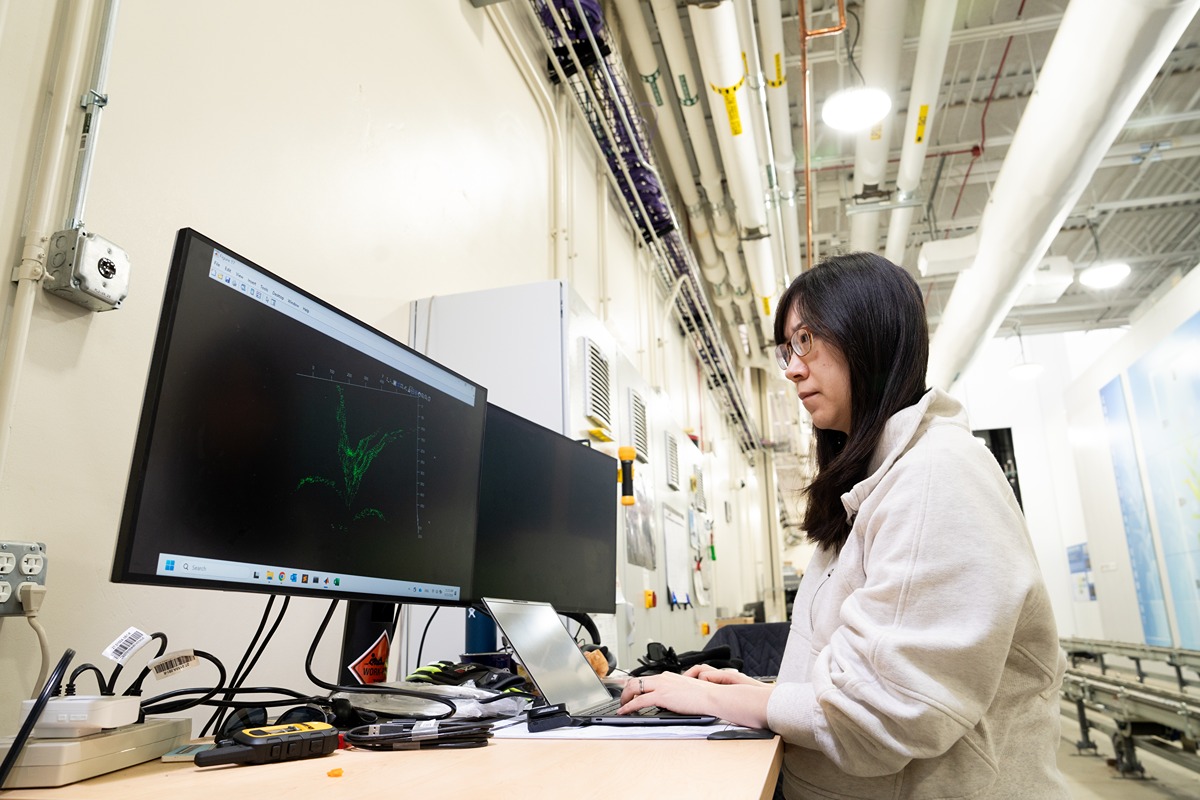 often capture leaves overlapping and folding, which can cause issues for the calculations. Liu’s algorithm reads images from all around the plant and can position them accurately in the model.
Scientists can use measurement data from the AAPF to keep track of how plants in a research project develop over time or throughout an experiment. Plants are checked on and measured routinely, without the need for human interaction. The large datasets this provides can help scientists identify signs of disease, deficiency or injury faster, as well as pinpoint plants of interest that might answer questions for their research project or offer up new questions entirely for them to study.
The AAPF also has the only fully automated and fully integrated Xray CT (computed tomography) root scanner in North America that can take x-ray images of a plant's roots while it is still alive and potted. They make 3D models from these images that offer quantitative measurements on key root traits, such as root length and root diameter.
The Purdue Plant Sciences team is building a unique capability in establishing the 3D model of a plant both below and above ground. Since our cameras and CT root scanner can collect data nondestructively, this 3D data can enable a scientist to ascertain how a plant grows and changes over time with quantitative measurements.”
- Yang Yang, director of digital phenomics at the Ag Alumni Seed Phenotyping Facility
Liu said that the technology itself is still growing. She hopes to implement machine-learning AI (artificial intelligence) to improve segmentation of the parts of the plant for the model. Liu is also 3D modeling plants besides corn, to ensure her algorithm works for research across the plant kingdom — sunflowers have already been successful.
The process to create the 3D models was more complicated than stitching photos together. For instance, the corn plants Liu began with were never perfectly centered in their pots. When they rotated in front of the RGB camera, they did so orbiting around the center of the pot, leaving a gap where the images otherwise would’ve lined up. She had to calibrate the algorithm to take that into consideration when it processed images. While difficult, Liu enjoyed the challenge.
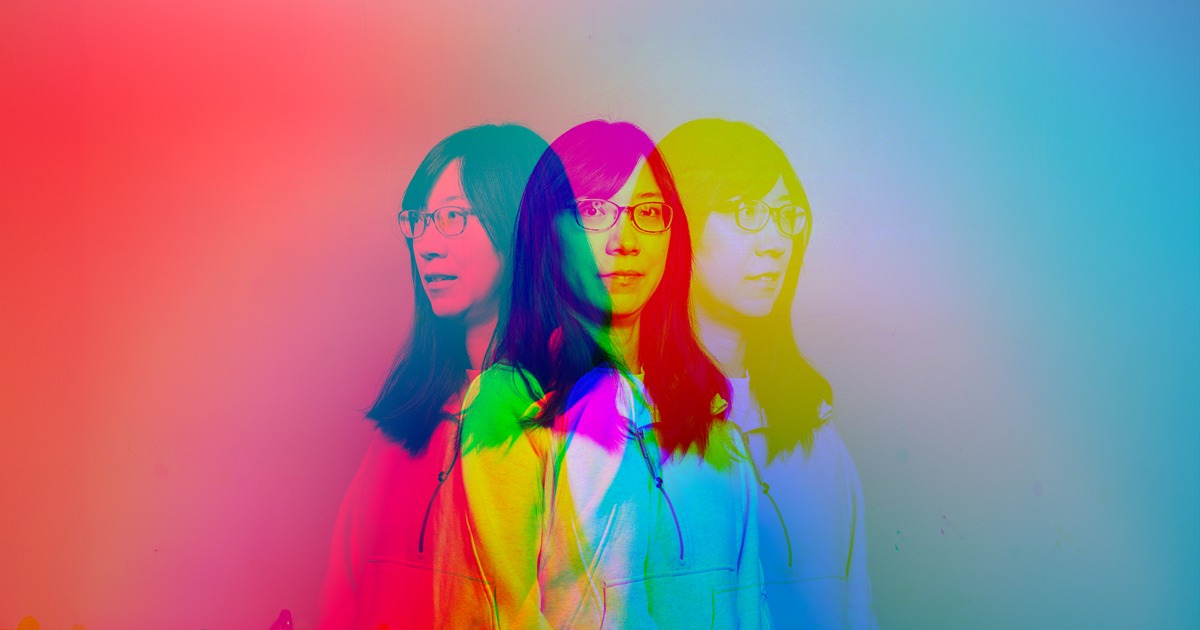
“When engineers do 3D modeling or visual resolution in gaming, we can show people a pretty picture,” Liu said. “This work at the AAPF feels more significant for people’s lives. It can lead to improvements in agriculture and really help people.”
Featured Stories
For Brody Cox, preparing for the Indiana State Fair began long before he entered the show...
Carolyn Foley, a long-time member of the Purdue Forestry and Natural Resources (FNR) and...

In the September Purdue University/CME Group Ag Economy Barometer survey, 52% of respondents...
Purdue University’s College of Agriculture recognized nine alumni at the Distinguished...
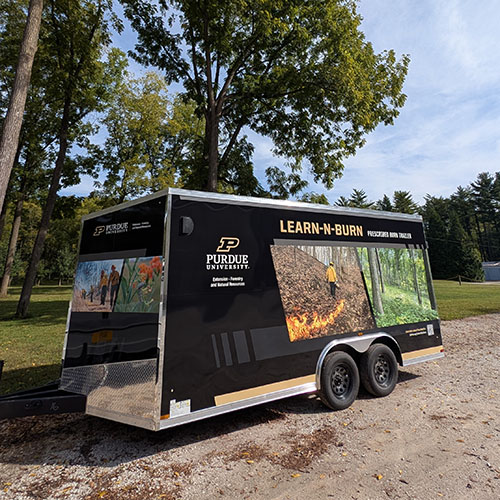
Keep your eyes peeled across Indiana for the newly minted Purdue Forestry and Natural Resources...
“Being at Purdue has changed my thinking entirely,” says Mingyu Zhao, a third-year...