

Teaching the next generation of agricultural leaders
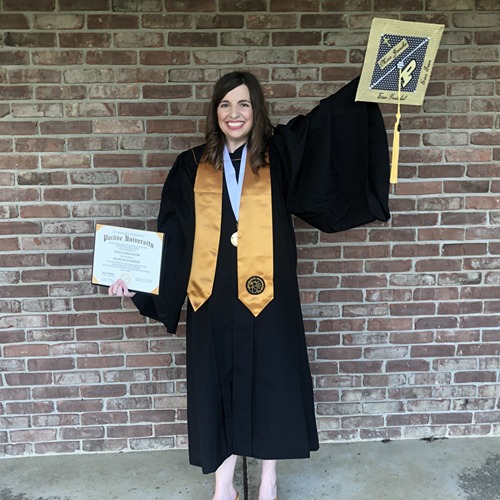
Growth does not happen all at once. More often it unfolds through small challenges, meaningful mentors and the decision to lean into opportunity. When Leah Hurd looks back on her time at Purdue, she reflects on a defining chapter that shaped her career and her confidence.
A 2020 graduate in agricultural education, with a minor in animal sciences, Hurd arrived at Purdue from Shirley, Indiana, ready to pursue a future in agriculture.
Her passion for teaching did not happen overnight.
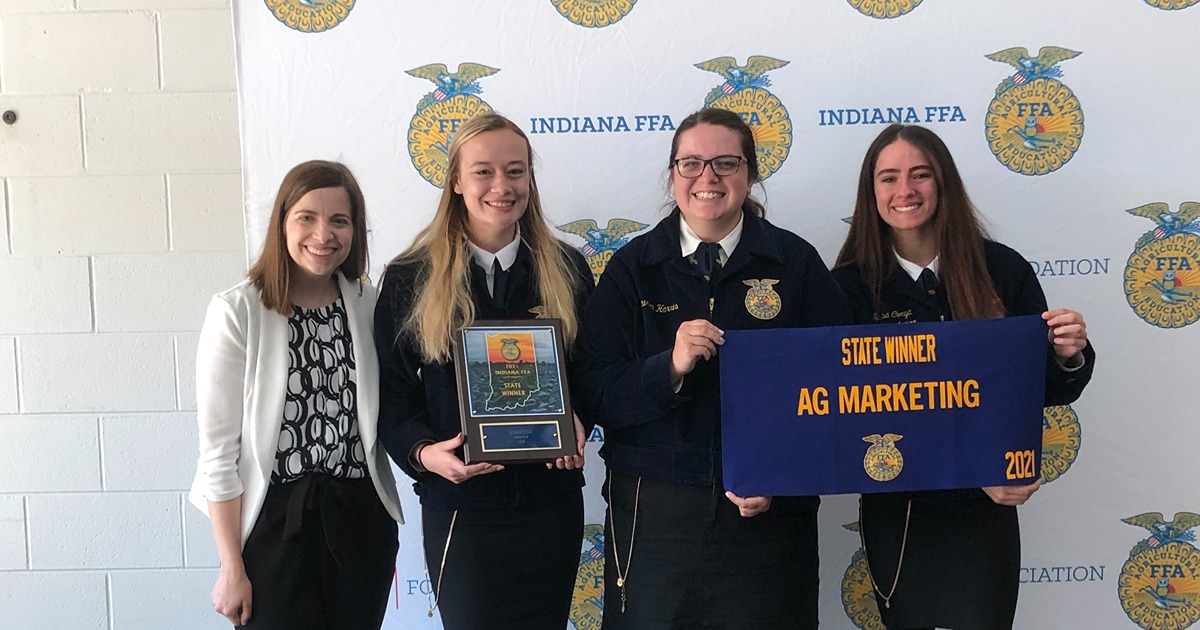
“My FFA experience sparked my love for educating people about where their food comes from and the breadth of agriculture,” Hurd said. “My dad was my high school ag teacher, so for the longest time I said I would never be a teacher. But through FFA, I realized agricultural education was exactly where I belonged.”
Broadening perspective in black and gold
Hurd gained a deeper understanding of both agricultural education and the industry it supports.
“Purdue helped me see how diverse agriculture and agricultural education truly are,” she said. “There are so many different types of programs and career paths connected to this field.”
Today, Hurd is one of two agriculture teachers and FFA advisors at Winchester Community High School and Driver Middle School. She teaches eighth grade introduction to agriculture, animal sciences, advanced life science animals and principles of agriculture. She also works closely with her co-teacher to guide an active FFA chapter that competes in contests and leads community service initiatives.
Every day looks a little different, but the groundwork she built at Purdue remains constant.
“Purdue set a solid foundation for everything I do in the classroom,” she said. “The coursework prepared me to teach agriculture content confidently. The leadership experiences I had as a student are the same skills I now help my students develop.”
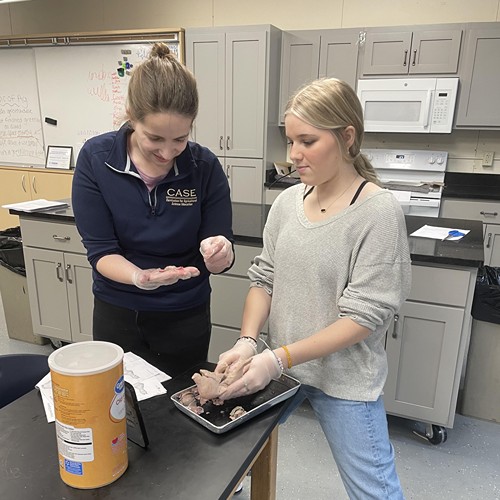
Hurd points to hands-on courses and meaningful faculty mentorship as pivotal parts of her undergraduate experience. One course in particular — animal growth and development — left a lasting impression. Students evaluated livestock and later examined carcasses to better understand how live evaluation connects to meat science.
“That type of hands-on learning made the content come alive,” she said.
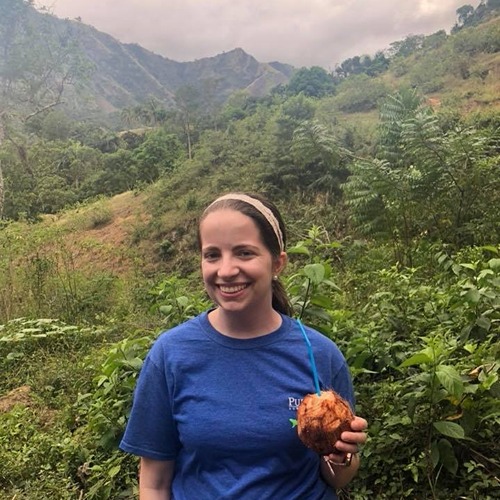
Outside of the classroom, Hurd was active in Ag Ambassadors, IAAE-Purdue, Collegiate Farm Bureau and Purdue Christian Campus House. She completed internships, participated in research and studied abroad in Jamaica and Haiti.
In Haiti, she presented a seminar to university students, an experience that inspired her undergraduate research project evaluating the effectiveness of the presentation.
Each experience challenged me in new ways,” she said. “They helped me grow as a leader and as a person.”
Advice to future Boilermakers
For students beginning their journey, Hurd encourages them to invest in relationships and involvement.
“Get to know your professors and peers,” she said. “The relationships you build at Purdue will continue long after graduation.”
She credits Purdue with being a catalyst for her growth.
“It was not always easy,” she said. “But I am proud of who I became during my time in black and gold. The professors, the courses and the opportunities outside the classroom all pushed me to become the educator I am today.”
As she guides her own students through agriculture classes and FFA activities, Hurd carries forward the same spirit of growth. Her journey reflects the lasting impact of a Purdue Agriculture education, one that prepares graduates to lead, serve and inspire in communities across Indiana.
Featured Stories
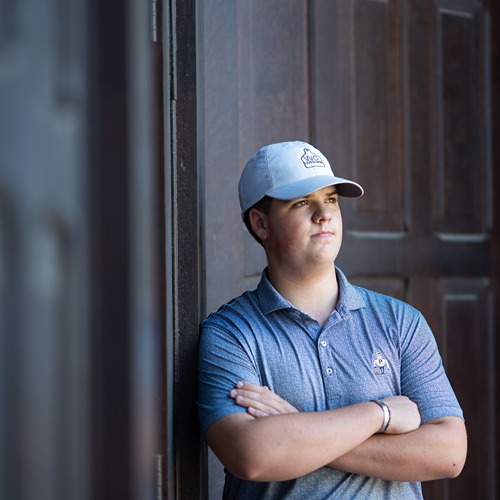
For Brody Cox, preparing for the Indiana State Fair began long before he entered the show...
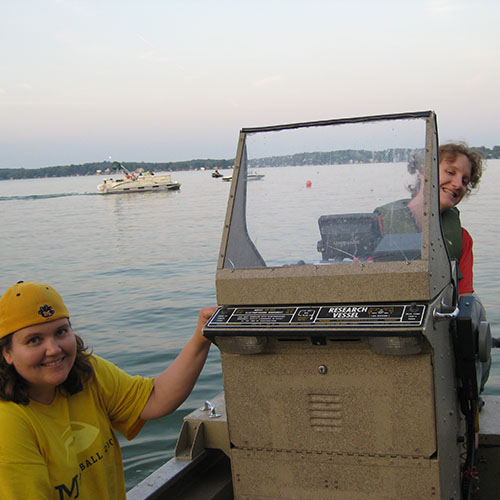
Carolyn Foley, a long-time member of the Purdue Forestry and Natural Resources (FNR) and...

In the September Purdue University/CME Group Ag Economy Barometer survey, 52% of respondents...
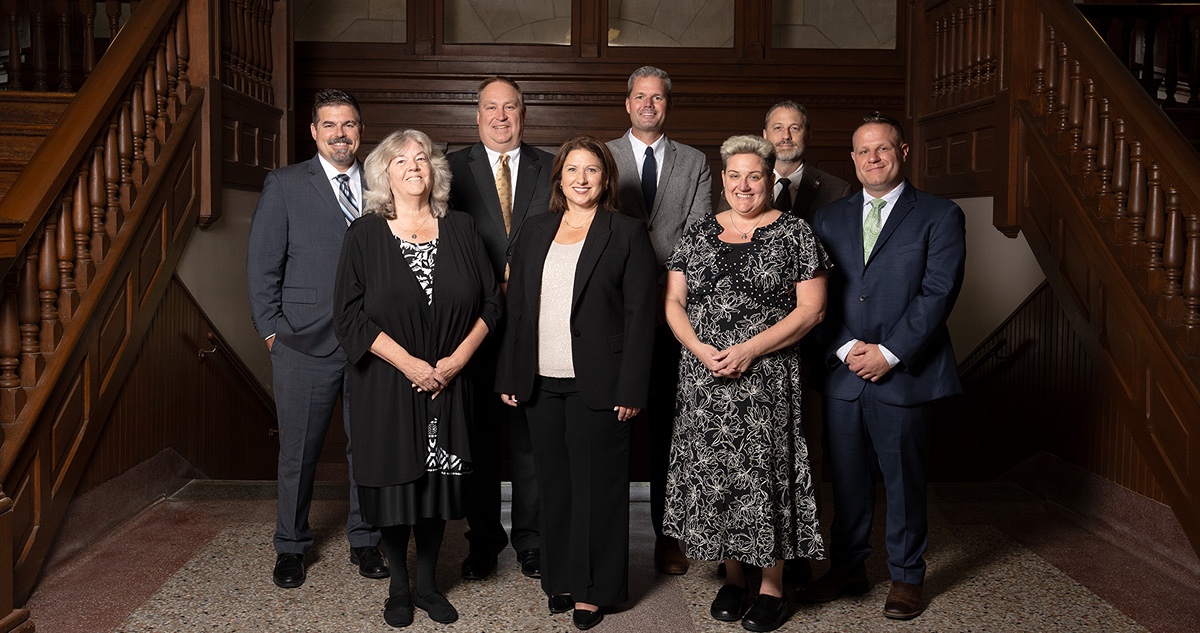
Purdue University’s College of Agriculture recognized nine alumni at the Distinguished...
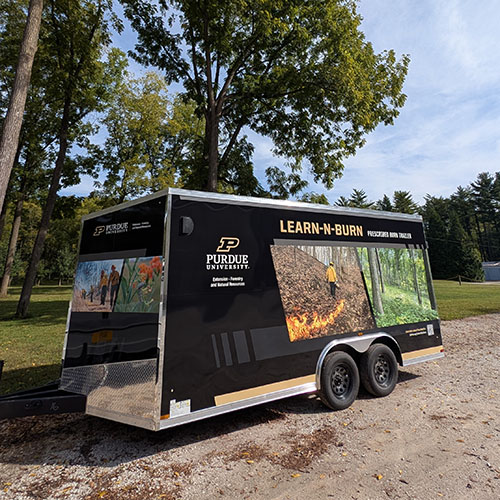
Keep your eyes peeled across Indiana for the newly minted Purdue Forestry and Natural Resources...
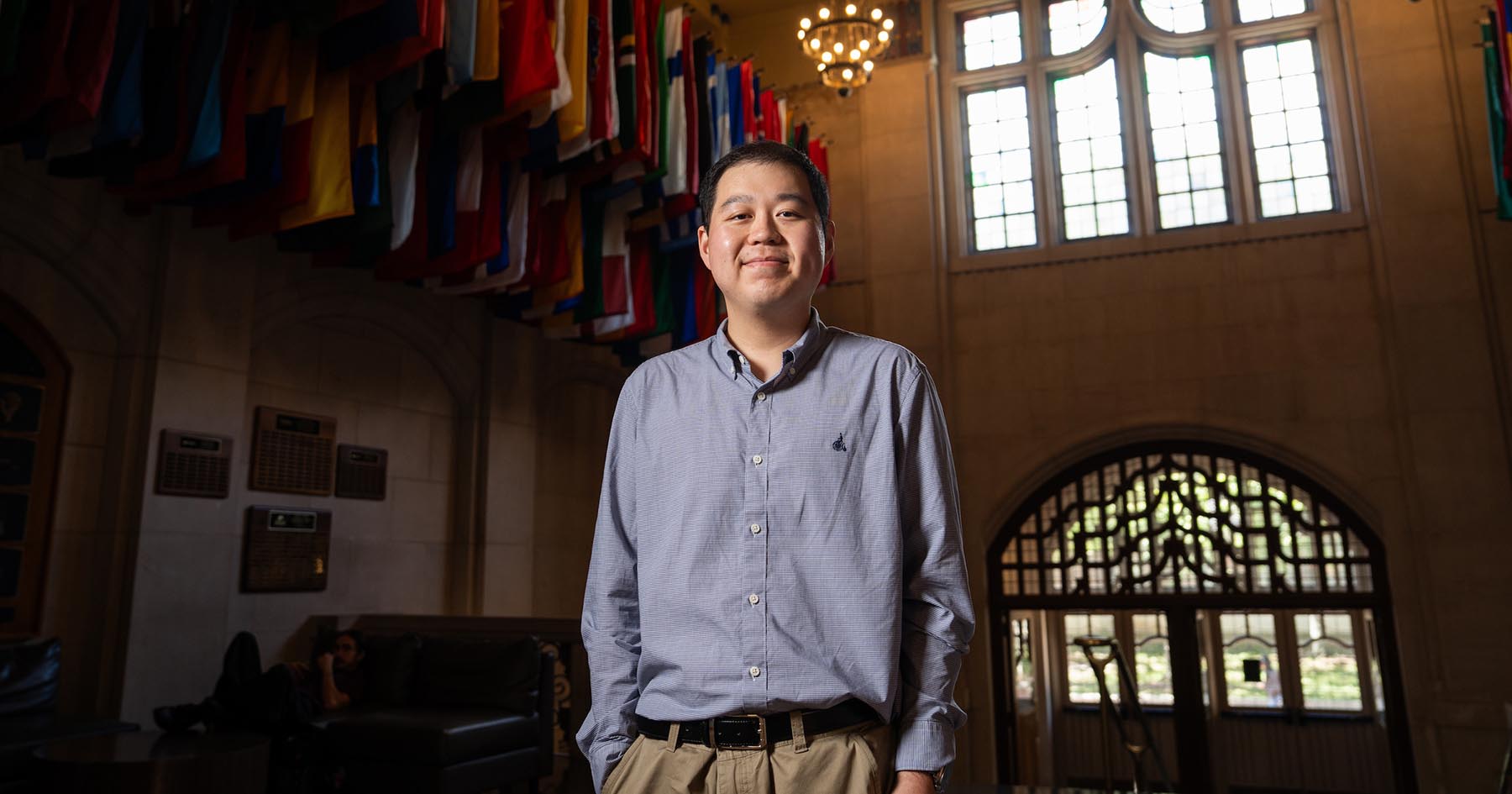
“Being at Purdue has changed my thinking entirely,” says Mingyu Zhao, a third-year...