

When nature’s song returns
Spring Break season is here, and many Indiana residents are boarding planes and flying south to escape the cold. At the same time, birds are taking to the skies, only they are heading north, back to their summer nests.
It might appear as though birds are migrating for the same reasons we are, but, according to Kyle Horton, associate professor in the Department of Forestry and Natural Resources, this isn't the case.
“Birds time their migrations to coincide with resources, using temperature as a cue,” Horton explained. “They’ve evolved for thousands of years to line up their migration with food resources, like caterpillars emerging in the spring.”
Butterfly effects
If something as tiny as a caterpillar could cause an entire species to embark on a thousand mile long journey, it’s possible to imagine that the most minor shift in daily temperature or weather can upset this delicate balance. Luckily, birds are flexible with their travel plans.
“Sometimes, weather and temperature can create false cues for birds, like this ‘false spring’ we’ve had this winter,” said Horton. “Birds might respond by starting to move north. But as temperatures drop again, they may realize this was bad behavior and head back down south eventually.”
Horton uses bird banding data from across the U.S. to study small songbirds, like wood warblers. Not only do the songbirds excite local birdwatchers for their colorful feathers, but they also help control insect populations and pollinate native plants. The vast majority of the 20 species Horton examined showed earlier migration patterns over 50 years. Another study using radar data, which measures the behaviors of hundreds of millions to billions of birds, found an incremental increase in spring migration timing.
Changes in spring migration may be subtle – only fractions of a day per year – but over time, birds could become out of sync with their resources. For example, a bird may not respond to changing climates, but their food resource might.
“The ripple effect is one of the things we worry about with climate change,” Horton said. “For example, caterpillars are more cued into local temperatures, but a bird coming from the tropics doesn't know that it's getting warmer in Indiana at a certain part of the spring season. Birds may leave areas slightly earlier, and breeding then becomes earlier, but it still might not be enough to match shifts in resources. These subtle offsets manifest across decades and start to hurt our bird populations across Indiana.”
Tools to spot more birds this spring
For hobbyists, understanding bird behavior, keeping up to date with ongoing research and knowing what resources exist can enhance the birdwatching experience. Horton began as a hobbyist himself, which led to undergraduate research on bird migration, guiding him down his path to becoming a nationally recognized expert in ornithology and aeroecology and a Purdue University dream hire.
“I find ornithologists to be an odd breed. It’s pretty rare to find an ornithologist whose primary hobby outside of work is not birdwatching,” Horton said. "It’s uncommon that your nine-to-five is also the thing you like to do on the weekends, too. Research and being immersed in bird watching goes hand-in-hand.”
Horton recommends the Purdue AeroEco Lab and birdcast.org for bird enthusiasts. The radar-driven tools include live and forecast migration maps, migration alerts and local breakdowns of nocturnal migration, down to the county. eBird is another tool that allows users to explore species hotspots, track and share sightings, archive photos and sounds and join a community of fellow enthusiasts. Horton’s forecasts can help birdwatchers plan for “big nights” in the bird migration world.
For bird identification, Horton encourages the Merlin app, a free tool from the Cornell Lab of Ornithology, for both birdwatchers and curious citizens.
“Maybe there’s a bird that’s driving you nuts, but you can’t see it,” Horton said. “Just hold up your phone, and when the bird makes a vocalization, the app will automatically ID it! It’s a great resource for all birdwatchers, whether it’s helping experienced birders remember a song or opening up a whole new world of birds for people just getting started.”
Grab your binoculars
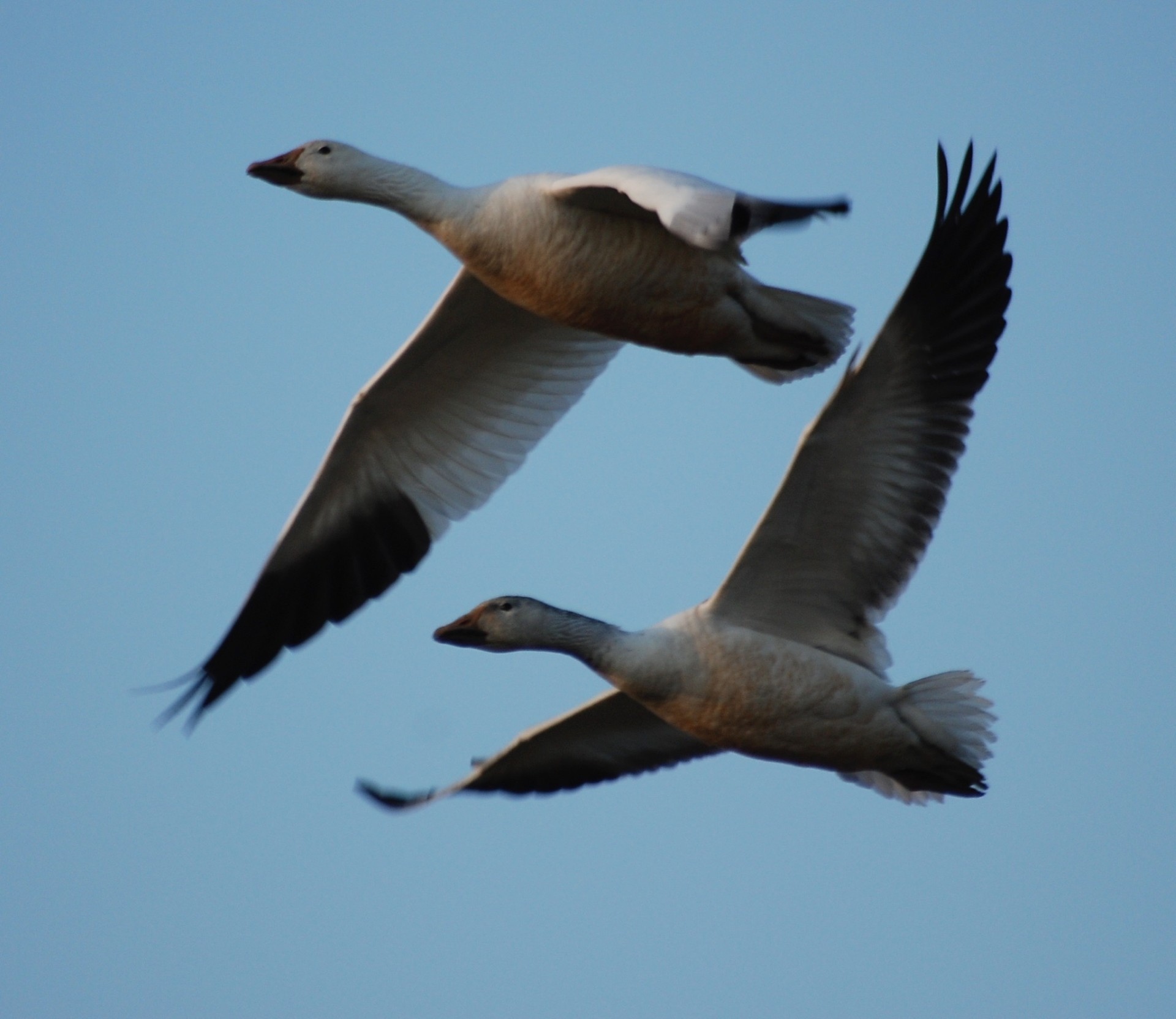 , opens larger image Snow Goose
In April and May, the long-distance migrants begin to come back to reside for the summer in Indiana. These songbirds spend their winters in the tropics of central and South America and peak in the first few weeks of May, ushering in summer with brilliant hues of scarlet, gold and blue and filling Indiana forests and grasslands with beautiful melodies. It’s no surprise that these colorful species are backyard favorites.
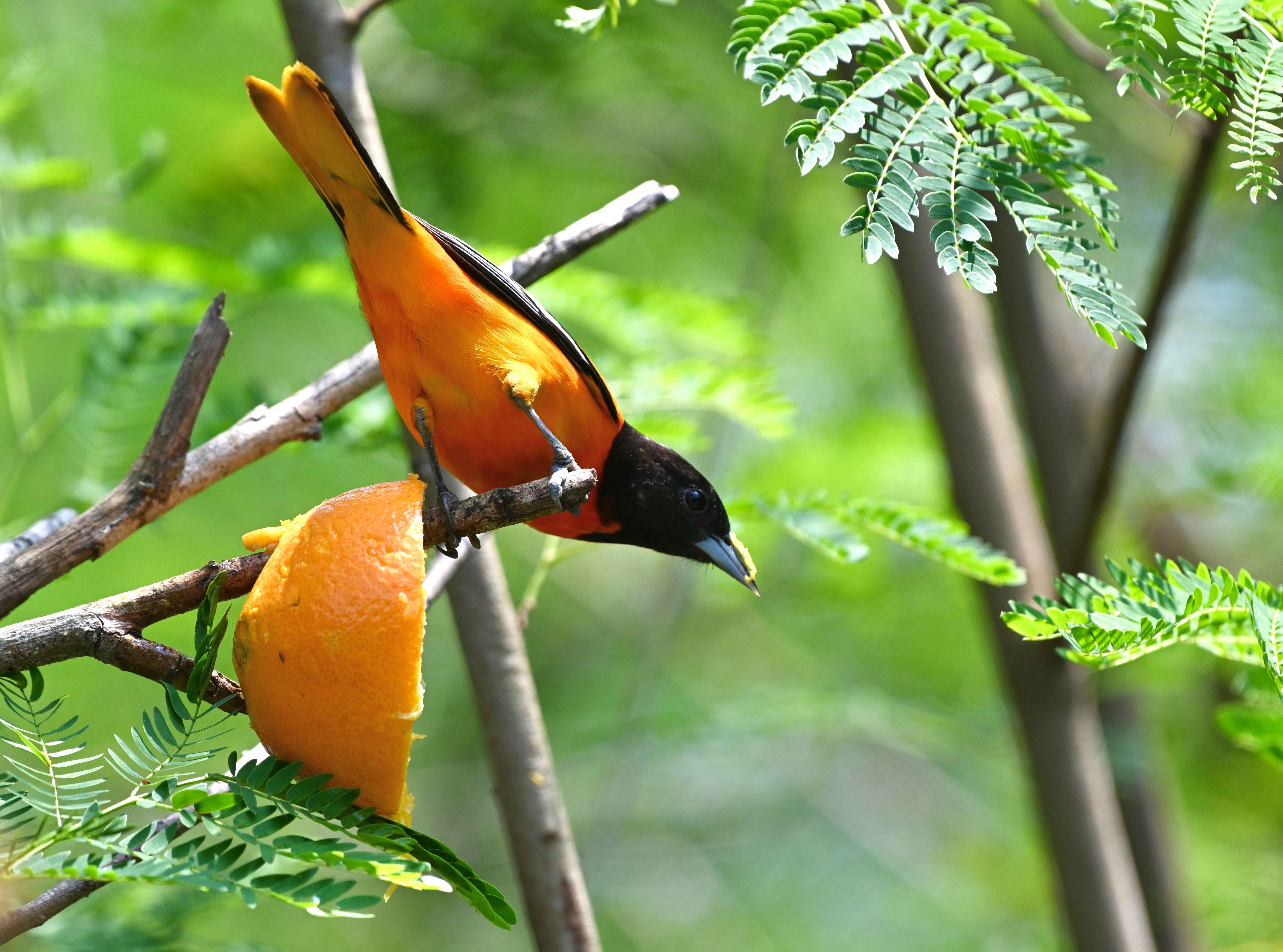 Baltimore Oriole
 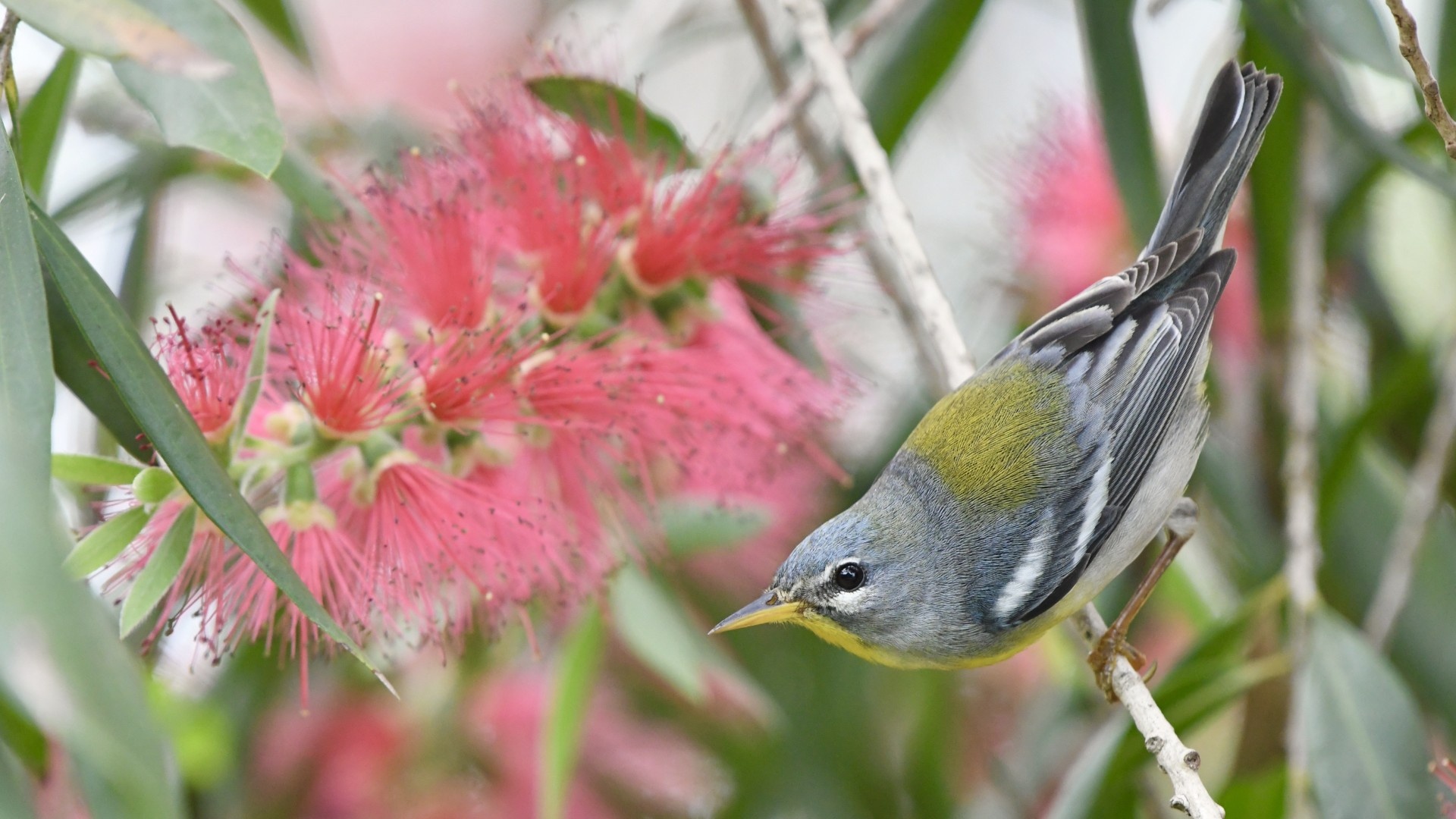 Northern Parula
 And Horton's favorite bird to spot?
“You know, I’m always asked this question, and I eventually realized I needed to come up with a good answer,” Horton chuckled. “And so, I picked the Bobolink. It spends its wintering period in the furthest southern reaches of South America, then makes a long-distance migration up into the grasslands of North America. It’s remarkable in that way – top-notch in terms of migration. I would see it when I first began birdwatching, and it got me excited about migration, so it resonates with me.”
Featured Stories

For Brody Cox, preparing for the Indiana State Fair began long before he entered the show...
Carolyn Foley, a long-time member of the Purdue Forestry and Natural Resources (FNR) and...

In the September Purdue University/CME Group Ag Economy Barometer survey, 52% of respondents...

Purdue University’s College of Agriculture recognized nine alumni at the Distinguished...
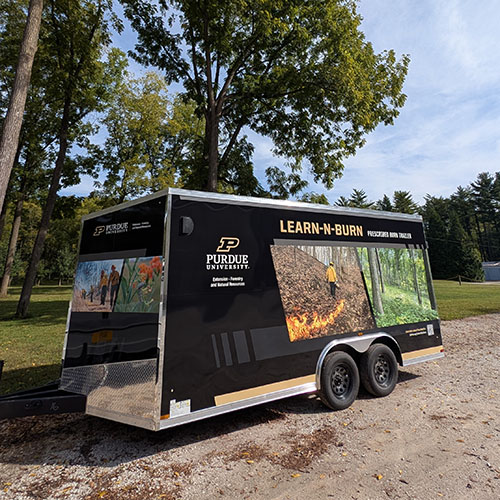
Keep your eyes peeled across Indiana for the newly minted Purdue Forestry and Natural Resources...

“Being at Purdue has changed my thinking entirely,” says Mingyu Zhao, a third-year...