

A lifetime of breeding better soybeans
What led Bob Taylor, a farm boy from Jay County, Indiana, who graduated in a high school class of 16, to become an expert soybean breeder, developing soybean lines with yield traits that no commercial seed companies have? A Purdue degree in agronomy helped begin his career, and the persistent pursuit of discovery sustained it. Now he’s sharing his collection with Purdue University to advance agricultural research.
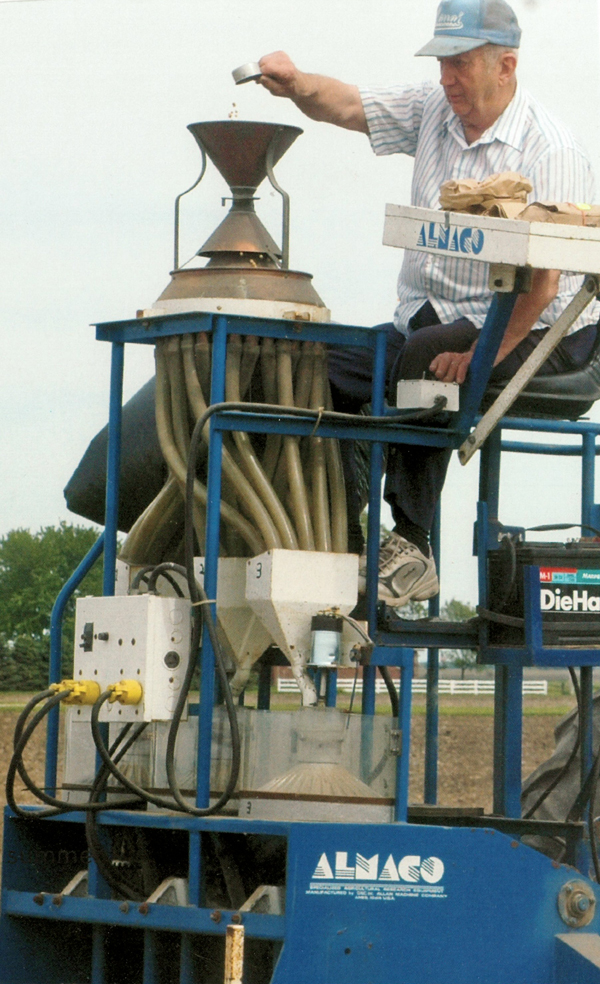
From a farm to Purdue
“I was born and raised in a farming community, so I wasn't intending to go to college and had no money,” Taylor said of his childhood expectations.
His family owned 208 acres and rented another 120. He and his brother planned to complete military service and then farm with their father. But while Taylor was serving in the Army in the early 1950s, his mother was diagnosed with cancer, and his parents decided to move to Florida, purchasing a dairy business there.
After his discharge in 1957, Taylor enrolled at Purdue on the GI Bill. He worked for Professor of Agronomy Ralph Davis in the campus greenhouses and at the Agronomy Center for Research and Education (ACRE) while earning his bachelor’s degree.
After graduating in 1960, he completed a master’s degree on components of alfalfa yield at Oregon State. University budget cuts prevented him from completing doctoral research, but not from finding his purpose.
I learned that there are two things that stand out in yield. One is the number of seeds that you produce per square foot of land, and the second is seed size. Seed size has been sorely neglected in most soybean breeding programs, but we use it extensively.”
- Bob Taylor, soybean breeder
Becoming a breeder
His path to applying that knowledge was a winding one. His sudden departure from graduate school left him scrambling for a job, but the ever-resourceful Taylor found his way to Southern Illinois University to earn enough credits for a teaching license. He landed a high school teaching job in LaGrange, Illinois, and authored a beginning science textbook with colleague Art Hanson.
In 1968, he put his breeding skills to work, first for Farmers Forage Research Cooperative (FFR) in Battleground and later for Stewart Seeds, prior to its acquisition by Monsanto. His mentors included Dick Bernard from the University of Illinois at Urbana-Champaign, who also served as the curator of the U.S. Department of Agriculture (USDA) Soybean Germplasm Collection, and Al Probst, Purdue professor of agronomy, consultant for FFR and a soybean research agronomist at the USDA’s Agricultural Research Service.
After leaving Stewart Seeds, Taylor decided to strike out on his own, teaching at Central Catholic Junior-Senior High School in Lafayette while conducting soybean crosses at a nursery in Brookston during the summer. He retained 150 elite lines from his previous work and systematically crossed them with 40 diverse genetic soybean samples from the USDA’s Soybean Germplasm Collection.
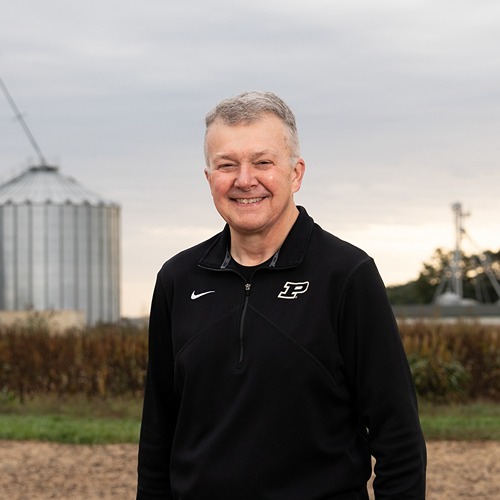
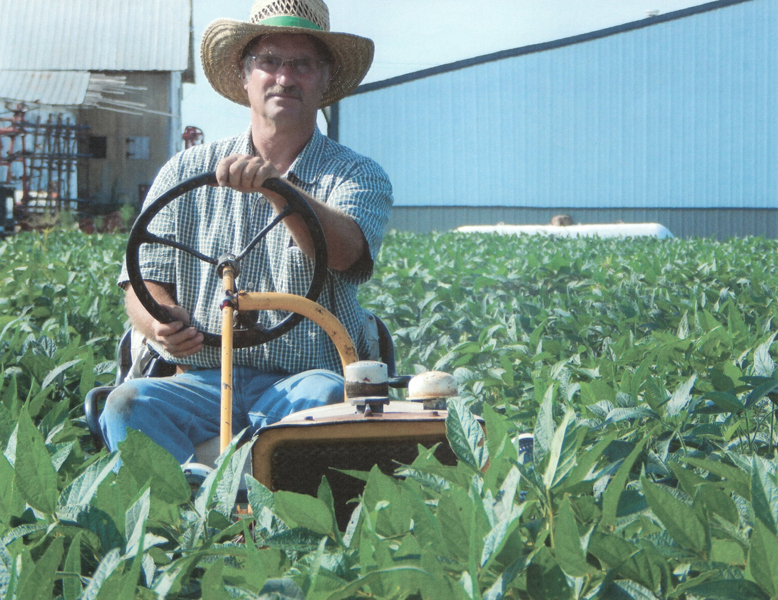 , opens larger image Taylor planted his soybean nursery on rented land from Brookston farmer Dave Thomas (pictured above) for 25 years.
 Taylor’s first diversity crosses were so successful that they immediately dominated the breeding program of his KenAvis Corporation, named after his parents.
“You must have diversity,” Taylor said. “And one of the biggest factors in the use of the diversity is getting a breeder to look at all of the traits we examined, rather than just yield testing whatever they get.”
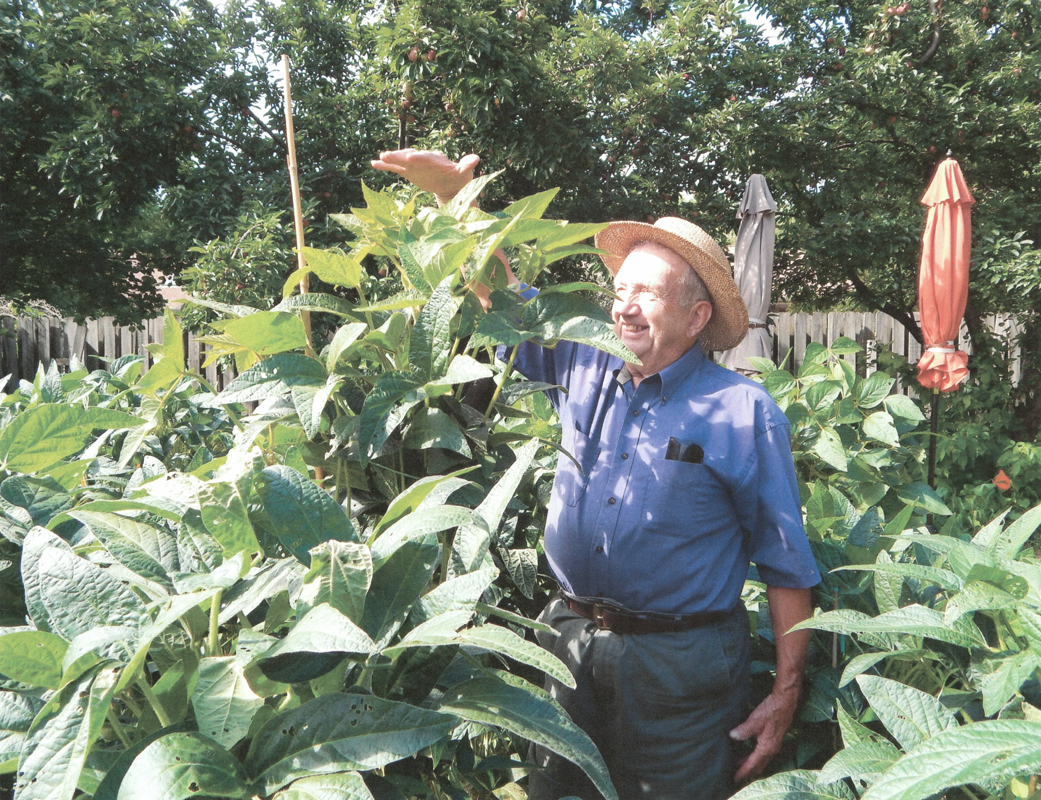 , opens larger image Taylor stands next to a tall soybean plant he bred to serve as silage.
 Small steps toward a giant leap
For over 38 years, he performed thousands of cross-pollinations each field season, selecting for at least 20 distinct yield traits. Current soybean breeding programs can be traced to a small number of breeding lines and lack the genetic diversity of the germplasm that Taylor developed.
Taylor kept information in dozens of notebooks and took thousands of pictures of the traits he developed. The KenAvis collection includes lines with:
- larger-than-average soybean size,
- four- and five-seeded pods, compared to the usual two or three,
- ultra-short internodes — the space between nodes where soybean pods form, resulting in more nodes and pods per plant and resistance to the plant falling over, called lodging,
- multiple main stems with branches as large as main stems, and
- terminal racemes (flowering stalks) with more than 20 pods, compared to the typical 1-3 pods.
 Five-seeded soybean pod
 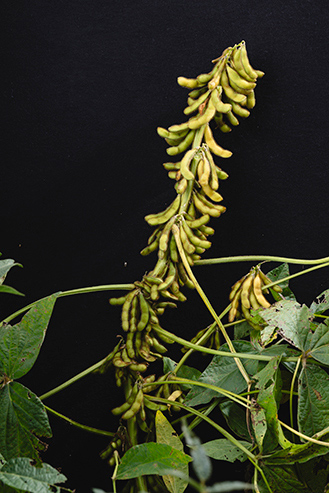 A terminal raceme with more than 20 pods
 Harnessing these traits in future soybean production has the potential to dramatically increase yield. “Purdue is going to make a terrific splash with these lines,” Taylor said. “Not just in Indiana, the Midwest, or the United States — but for the world.”
The painstaking and detailed work of cross-pollination requires a steady hand — magnifying glasses help, too. You have to understand the visual cues of soybeans well enough to identify a flower that is likely to open that day, collecting the bright purple flower for its pollen.
You also have to know how to choose a bud at the right level of development, and then gently use tweezers to expose the reproductive parts, pollinating the bud without destroying it. After carefully tagging the location of your cross, you can check back in 10-20 days for a sign of success: a small, elongating soybean pod.
Finding partnership
In addition to being a soybean breeder, the other constant in Taylor’s life is family. He met his wife, Bethany in high school, and they wrote back and forth nearly every day as he began military service, marrying in 1955. “While I was in the army, I had a 1941 Chevrolet coupe. I bought a mobile home so we could live in it, and we towed it with my coupe to the mobile home park on the base,” Taylor said.
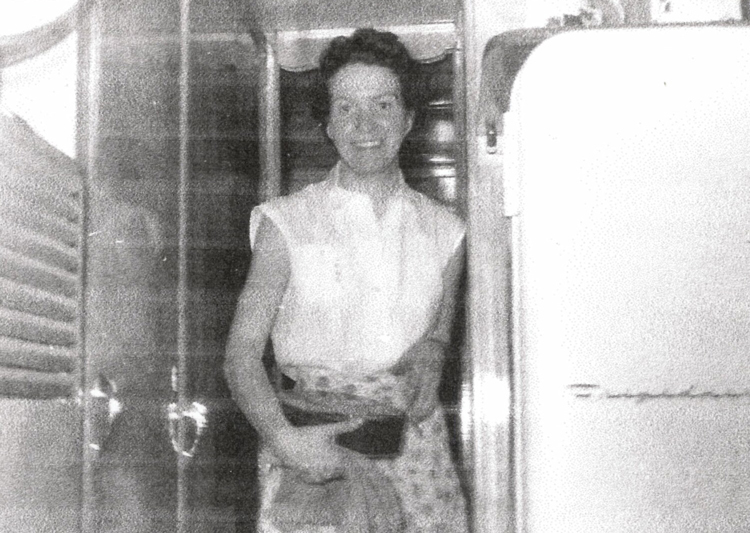 Beth Taylor at age 21
 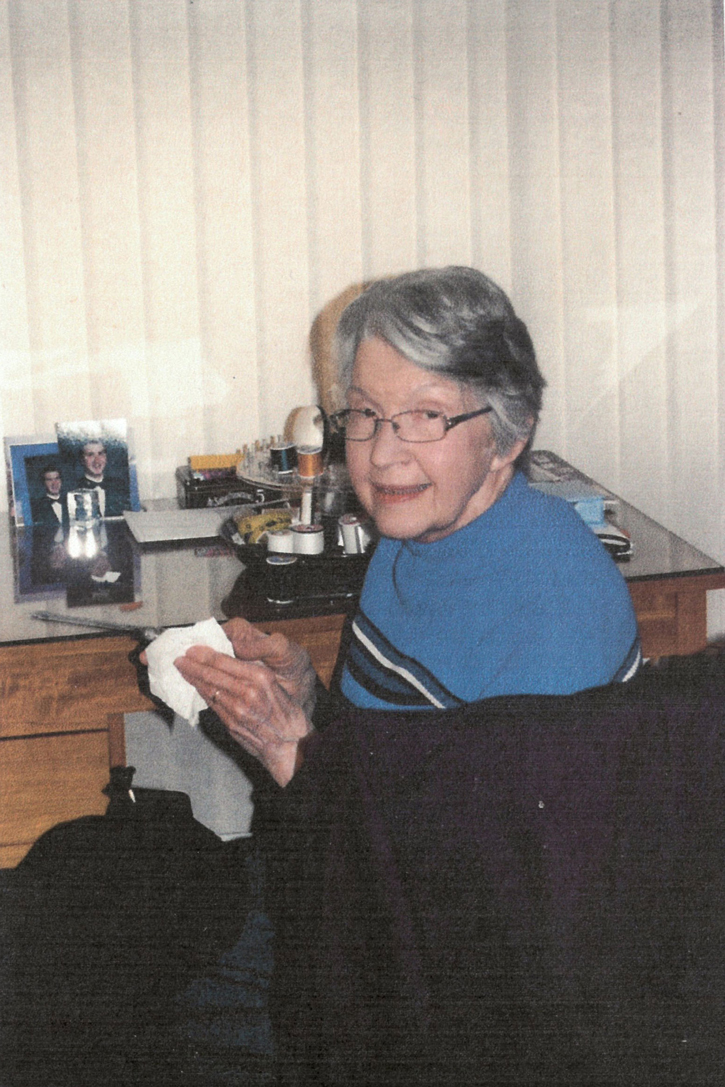 Beth Taylor at age 81
 “My dad said, ‘If she lives with you after you pull that all the way to Georgia, she’s going to stay with you a long time,’” Taylor said, laughing. They were happily married for almost 67 years until Bethany’s death in 2022.
The couple raised son Geoffrey and daughter Salisa, also adopting Taylor’s sister, Barbara, when she was six years old, after her parents died.
“There's a saying that goes, ‘When you get married, two become one.’ That was us,” Taylor said.
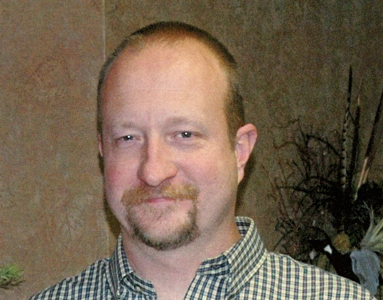 Geoffrey Taylor
 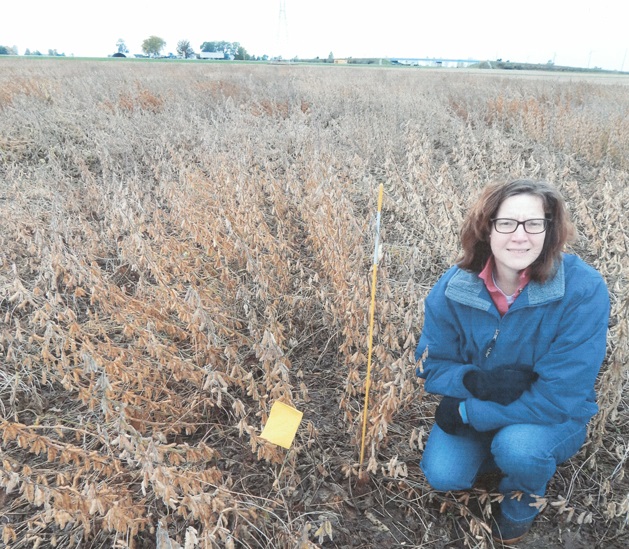 Salisa Taylor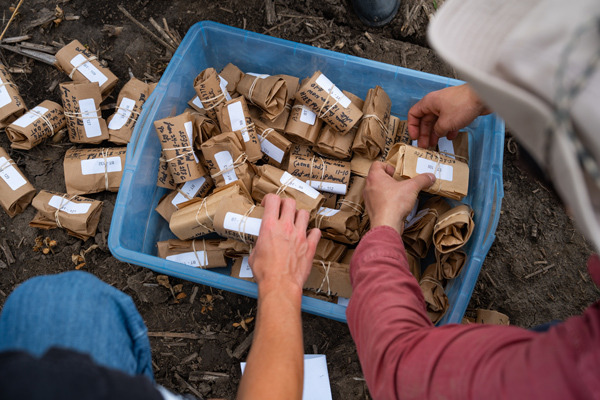
Sharing his legacy
As Taylor thought about passing on his life’s work and finding a home for his germplasm collection, he connected with Katy Rainey, professor of agronomy and director of the Purdue Soybean Center, and Laura Bowling, professor and head of the Department of Agronomy.
In June 2025, Rainey planted some of his seed at ACRE. The collection’s unique traits were immediately obvious in the field. “I’ve had farmers and seed industry people visit, and everyone who encounters it is excited about it,” Rainey said.
The department then worked with Taylor to acquire the KenAvis soybean germplasm collection, which Purdue will use and license for research, breeding and new varieties.
“Purdue has the distinct expertise to maximize the return on this valuable collection for all sectors: independent farmers, food-grade growers and the seed industry,” Rainey said.
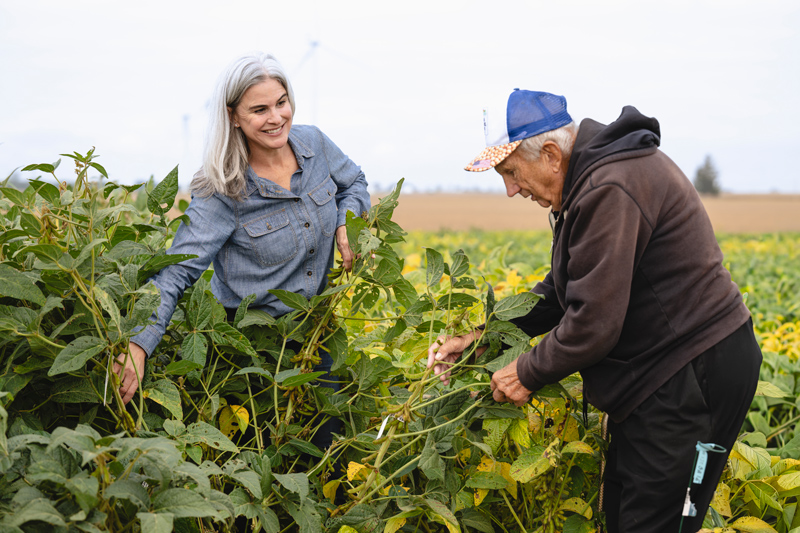 , opens larger image Katy Rainey, professor of agronomy and director of the Purdue Soybean Center, and Bob Taylor examine a soybean plant in his seed trial at Purdue's Agronomy Center for Research and Education.
 I am honored that Bob Taylor has trusted Purdue Agronomy with the management of his legacy. The incredible diversity in this germplasm collection represents decades of effort and has the potential to transform currently available soybean varieties.”
- Laura Bowling, professor and head of the Department of Agronomy
For Taylor, the secret to his success lies in his willingness to keep going — producing soybean lines that can increase yield and benefit generations to come. “I hope Purdue can license them to anybody and everybody who want to use them.”
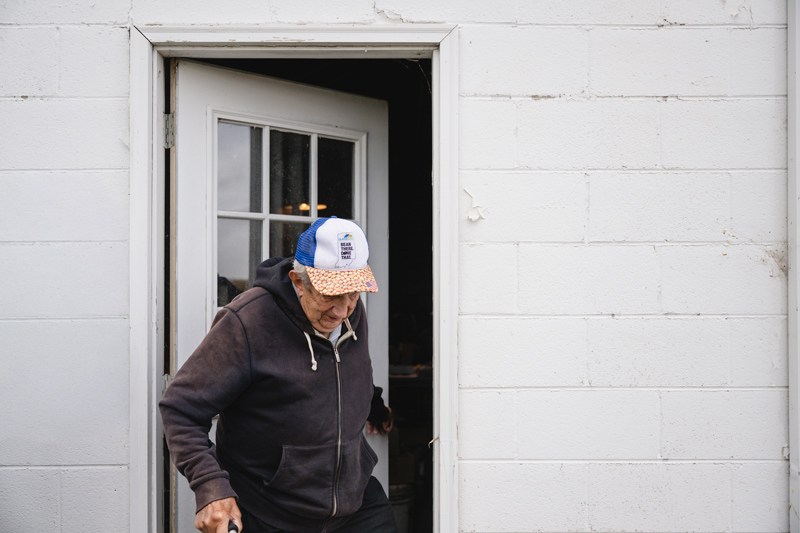 As Bob Taylor's hat says, "Bean there. Done that."
 Victories and Heroes
“Victories & Heroes” is inspired by “of your vict’ries and your heroes” from “Hail Purdue!” Who is your Purdue hero?
Share Your StoryFeatured Stories
PFAS have been shown to increase risks to immunity, reproductive health, developmental delays,...
Senior Isaac Johnson, a forestry major with a concentration in forest management, worked as an...
Alisa Tilson (BS '96, Natural Resources and Environmental Science) works for CDOT’s...
Behind every jar of honey is a fascinating story of pollination, research, and hands-on learning....
Maksym Chepeliev, a leading international scholar recognized prominently for his work in...
In recent years attendees at Purdue Agriculture alumni, donor, and faculty and staff events have...