

Reimagining food science through applied AI
Artificial intelligence (AI) is transforming the global food system — from how crops are grown and foods are processed to how supply chains reduce waste and how brands communicate with consumers. As the adoption of AI expands across food and agriculture, professionals need knowledge and skills to understand, evaluate and responsibly apply these emerging technologies in food science.
The AI in Food Science and Industry Certificate, available through Purdue Food Science Online Academy, provides a practical introduction to AI applications across food and agriculture sectors. Designed for working professionals and lifelong learners, the program focuses on AI literacy, critical thinking and responsible use, rather than programming or coding.
“The AI in Food Science and Industry Certificate teaches professionals how to navigate and use AI tools ethically and efficiently on both the front and back end of food manufacturing, the food supply chain and the food industry in general,” said Hanyu Chen, director of Purdue Food Science Online Academy. “We want our certificate students to understand the logic behind AI tools and learn how to critically evaluate their effectiveness and accuracy to strengthen contributions in the workforce.”
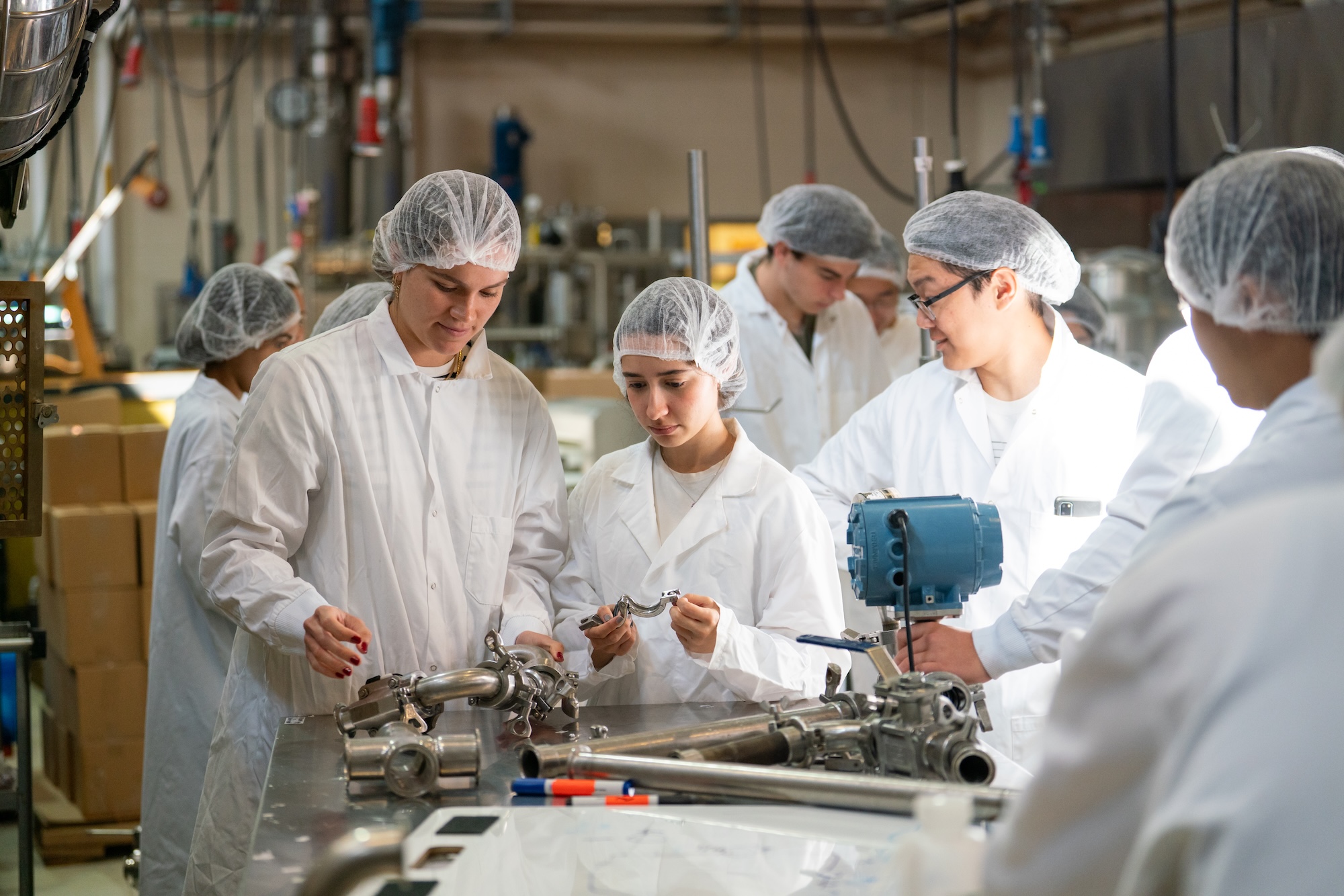
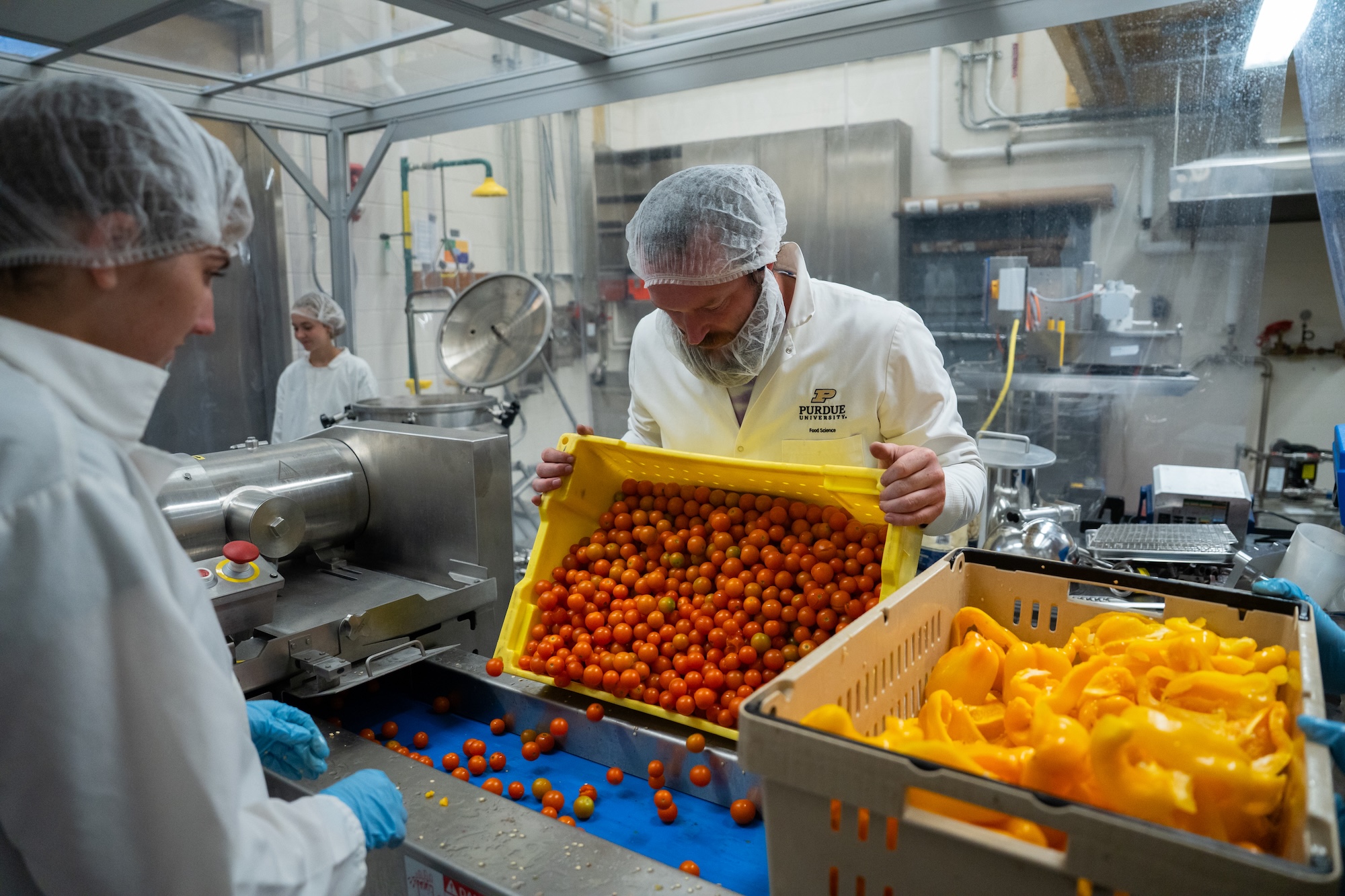
Through six flexible online course modules, learners will explore how AI supports product development, food safety and quality assurance, manufacturing operations, logistics, sustainability initiatives and consumer engagement. Usingindustry-inspired case studies, the course will demonstrate how AI is used to solve challenges across the food and agricultural supply chain.
The certificate is taught by Purdue food science faculty with industry experience. Topics include AI workforce literacy, bias and limitations, data privacy and responsible use in regulated environments.
“We’re not focused on specific software because they rotate so fast. Instead, we emphasize critical thinking, core principles and ethical considerations that are universal, no matter which software is being used."
- Hanyu Chen
By the end of the program, learners will be able to explain foundational AI concepts, assess the benefits and limitations of AI applications, evaluate AI-generated outputs for quality and trustworthiness, make informed ethical decisions about AI use, communicate transparently about AI-assisted decision-making, and develop project proposals that apply AI-driven solutions to real-world industry challenges.
“We are currently seeing a market lack in the food and agriculture sector, where companies and corporations don’t know how to use AI effectively in manufacturing and operational processes,” Chen said.
Our program will help bridge the gap between the technology itself and the expertise needed to apply it strategically.”
- Hanyu Chen
Whether participants work in food, agriculture, health, business or sustainability, or simply want to build AI literacy in a real-world industry context, this program provides career-relevant skills that can be applied immediately in current and future roles.
Upon successful completion of the program, learners will earn a Purdue Ag Online certificate and digital badge.
Visit Purdue Food Science Online Academy to learn how to get started.
Purdue Food Science Online AcademyFeatured Stories

Alisa Tilson (BS '96, Natural Resources and Environmental Science) works for CDOT’s...
Behind every jar of honey is a fascinating story of pollination, research, and hands-on learning....

Maksym Chepeliev, a leading international scholar recognized prominently for his work in...

In recent years attendees at Purdue Agriculture alumni, donor, and faculty and staff events have...

People think grass is simple. Lawns, right? Mow regularly and add some water and fertilizer. What...
The Office of Indiana State Chemist (OISC) is warning Indiana residents about an illegal...