

Improving the future of sheep genetics
Growing up in Brazil, Artur Rocha was surrounded by stories of agriculture. Although he was the first generation in his family not raised on a farm, animal agriculture remained important in his life.
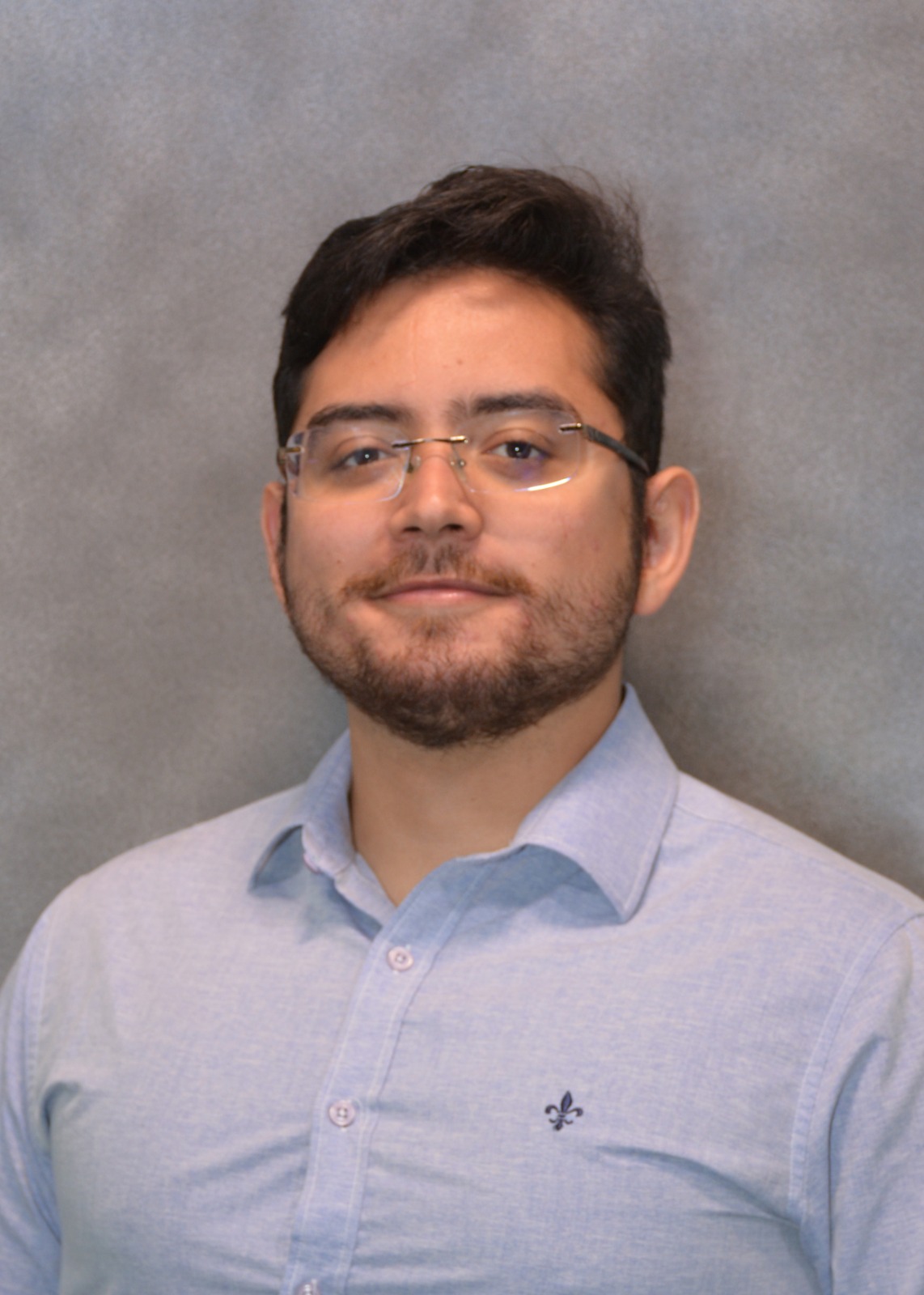
Rocha earned his Doctor of Veterinary Medicine Degree from the Federal University of Piauí. He initially wanted to pursue a career in reproductive physiology, but an early experience in an animal breeding and genetics laboratory changed the trajectory of his career.
While at the Federal University of Piauí, Rocha first encountered Luiz Brito, professor of animal sciences at Purdue University, through Brito’s work co-advising Ph.D. students. Brito’s ability to explain complex concepts and support students left a lasting impression.
“Just seeing and hearing Dr. Brito's way of explaining things and how he helped students who were struggling made me realize that he could help me become a better person, researcher and geneticist,” Rocha said.
Rocha first came to Purdue as a visiting scholar in Brito's lab. After seeing the mentorship and research opportunities available, he applied to the Department of Animal Sciences Ph.D. program. Today, he is a Ph.D. candidate in Purdue Animal Sciences, where he focuses on improving genetic evaluation systems for the sheep industry.
Working primarily with the National Sheep Improvement Program (NSIP), a producer-driven initiative that helps sheep producers make informed breeding decisions, Rocha’s research focuses on improving genetic evaluation in U.S. sheep. His work looks at ways to improve how animals are evaluated and how their future performance is predicted.
"We are trying to see what has been done and what we can do differently to improve the entire program," Rocha said. "Not for a specific breed, but in general."
Unlike many graduate students who spend significant time collecting samples in the field, Rocha's research largely takes place behind a computer screen using data already collected by producers. Rocha says the most rewarding part of his graduate experience has been building relationships with sheep producers.
"The best part has been learning with them," Rocha said. "Although we have the hard skills and know what is behind the math and the models, we have so much to learn from them."
Through those interactions, Rocha has developed a deeper appreciation for communication and Extension. He believes researchers have a responsibility to clearly communicate their findings to the people who can put those discoveries into practice.
"No matter the breed or the method you're using, you need to communicate better what you're doing, not only with the research community, but with producers as well," Rocha said. "At the end of the day, you could be the brightest researcher in the field, but if you don't know how to communicate those things to the people who really matter, it's not worth it."
Reflecting on his graduate journey, Rocha credits the people who helped shape his experience, including Brito; co-advisor Ronald Lewis, Ph.D., at the University of Nebraska-Lincoln; USDA collaborators involved in the Sheep GEMS project; and, above all, his wife and family.
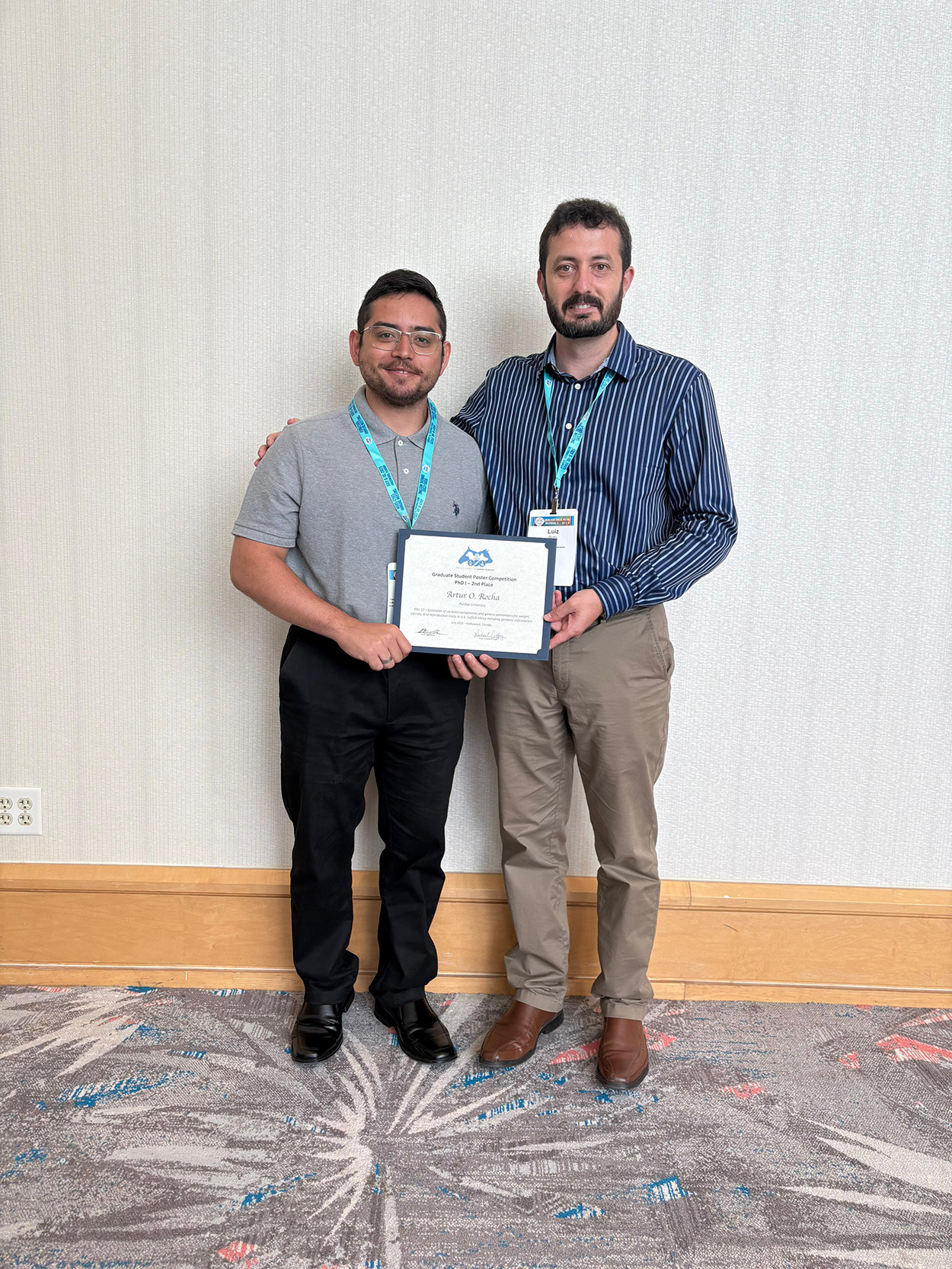 Artur Rocha and Luiz Brito, professor of animal sciences.
 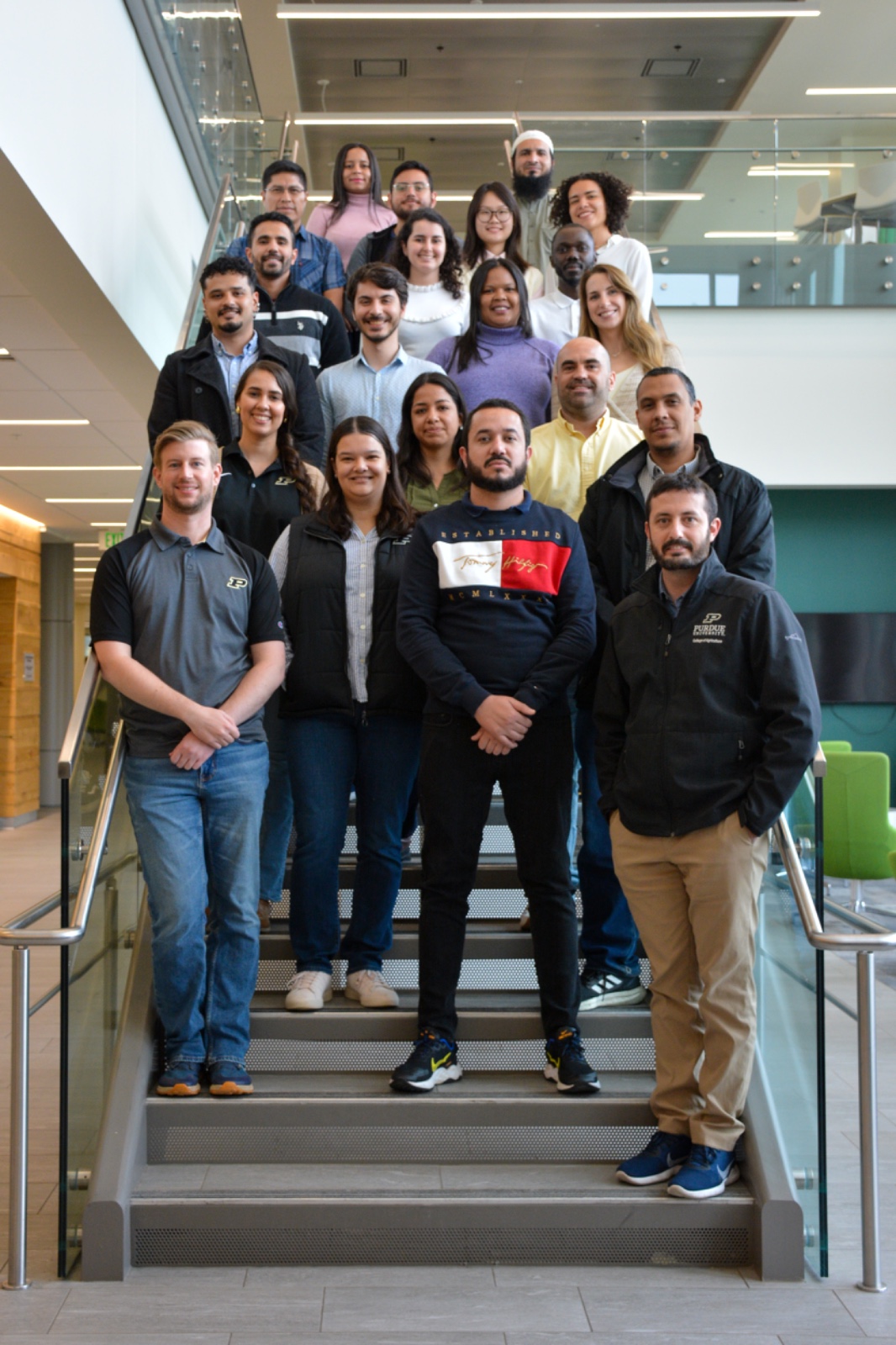 Members of Professor Luiz Brito's research group.
 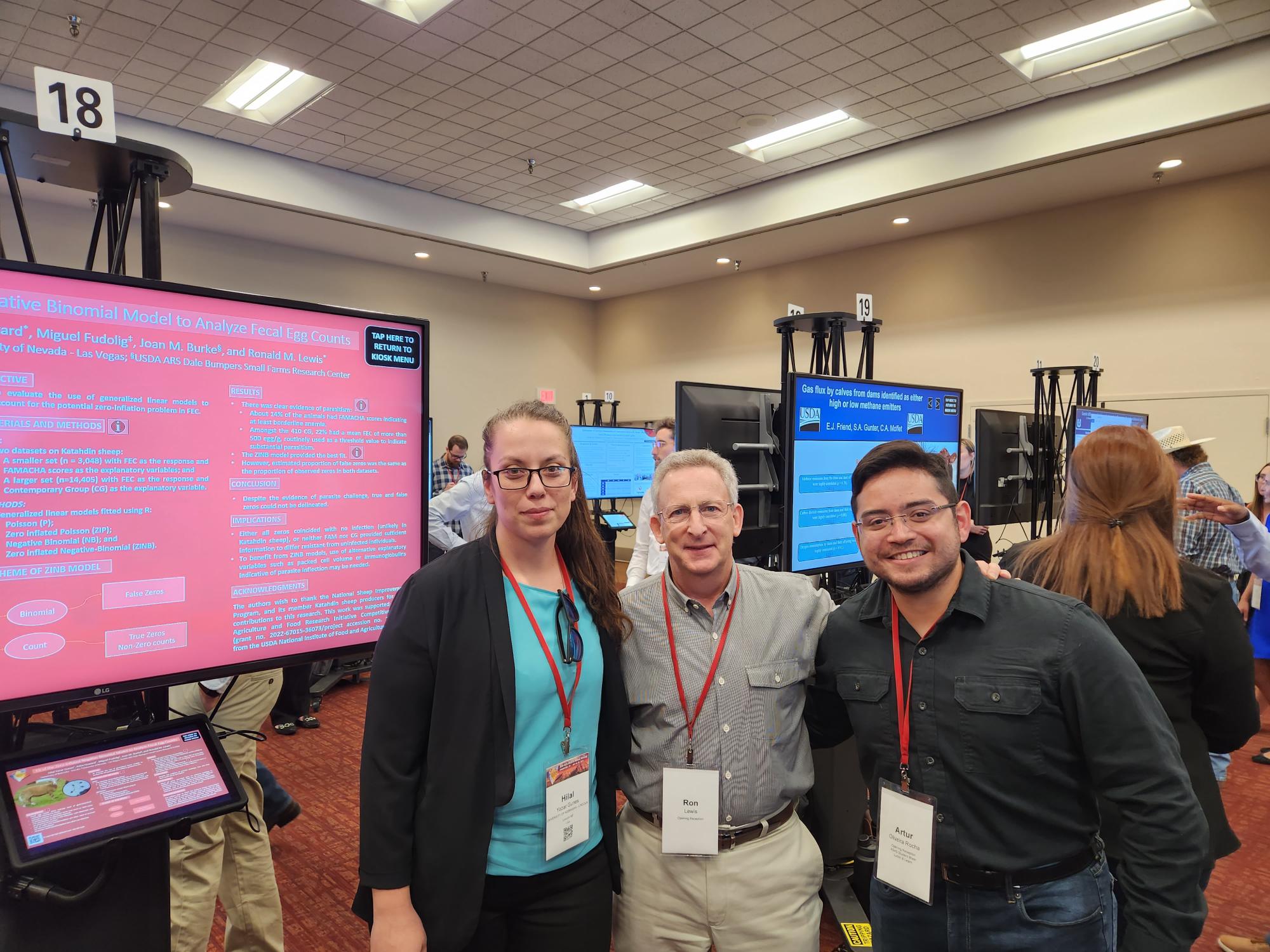 Artur Rocha (right) and co-advisor Ronald Lewis, Ph.D., of the University of Nebraska–Lincoln (center).
 "I'm very grateful for all the opportunities that I have had, especially Dr. Brito," Rocha said. "He was the person I looked at and saw an opportunity and a standard for the person I want to be in the future."
Rocha says one of his favorite aspects of Purdue has been the opportunities available outside of his degree program. Through Purdue's Data Mine initiative, he worked on projects with pharmaceutical and plant breeding companies, gaining experience that broadened his perspective beyond animal breeding and genetics.
"Although I'm getting a Ph.D. in animal science focused on genetics and genomics, Purdue gave me the freedom to explore other fields and learn from them," Rocha said.
As he prepares to defend his dissertation this summer, Rocha hopes to pursue a career that combines quantitative genetics with Extension and producer engagement.
His advice to future graduate students is simple: stay curious and embrace challenges.
"Know that you're going to face hard moments and challenges, but try to have a positive mindset," Rocha said. "The hardest moments are there to teach you something. They're not there to punish you."
Rocha also encourages students to keep asking questions.
"Always ask questions," he said. "The questions are what motivates research. It's not the answers. It's the questions that make us researchers."
Outside of research, Rocha enjoys playing the drums and guitar and looks forward to spending more time on those hobbies after completing his Ph.D. After defending his dissertation, Rocha will continue his training as a postdoctoral researcher in animal breeding and genetics at the University of Georgia, where he hopes to deepen his theoretical and methodological knowledge in quantitative genetics.
Featured Stories

Alisa Tilson (BS '96, Natural Resources and Environmental Science) works for CDOT’s...
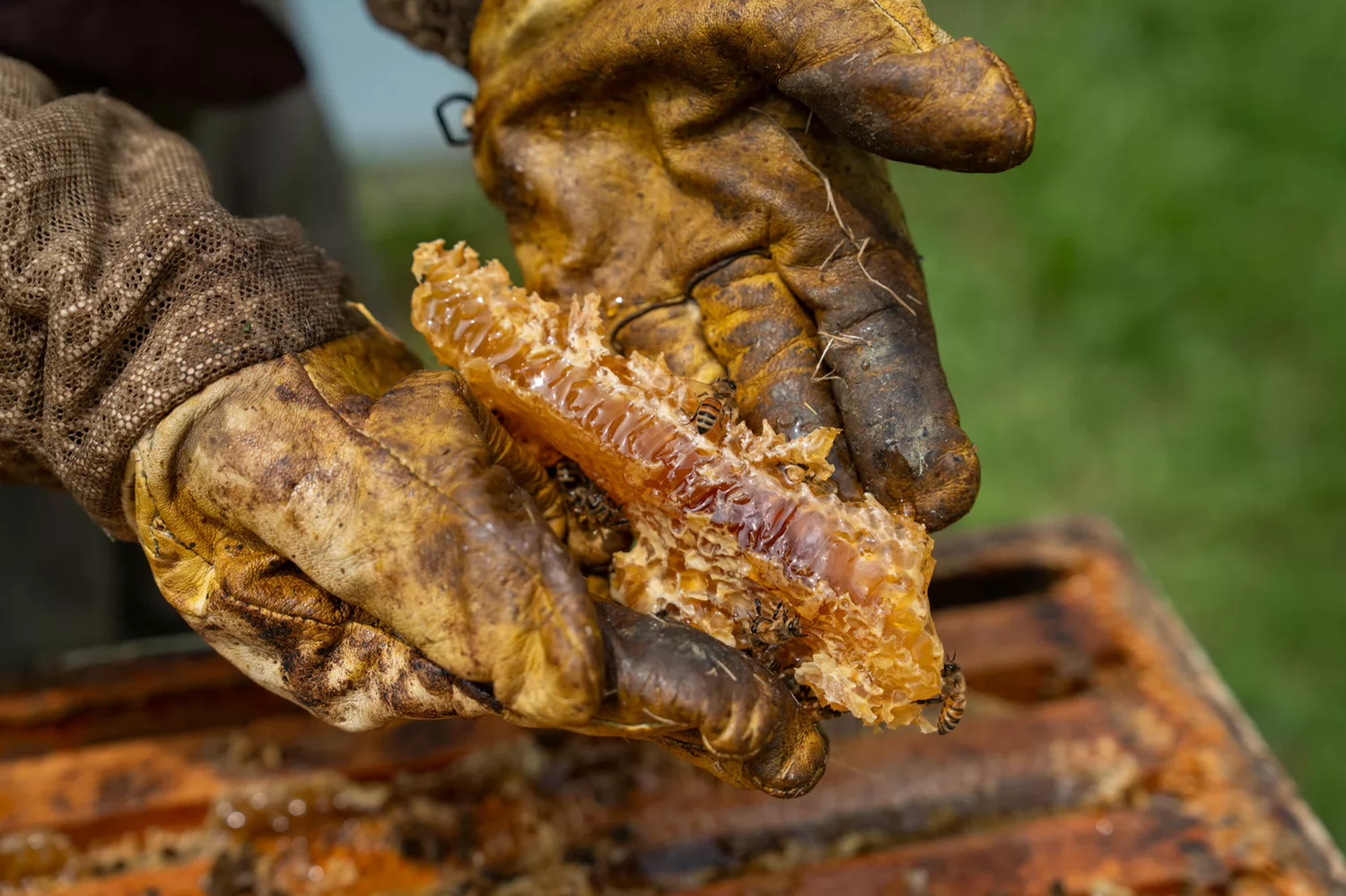
Behind every jar of honey is a fascinating story of pollination, research, and hands-on learning....
Maksym Chepeliev, a leading international scholar recognized prominently for his work in...

In recent years attendees at Purdue Agriculture alumni, donor, and faculty and staff events have...
People think grass is simple. Lawns, right? Mow regularly and add some water and fertilizer. What...

The Office of Indiana State Chemist (OISC) is warning Indiana residents about an illegal...