

Purdue leading $10 million effort to address global food safety
Purdue University is now home to a lab aimed at increasing awareness and developing environments for food safety around the world. The United States Agency for International Development (USAID) awarded nearly $10 million to Purdue to establish the first-ever Feed the Future Innovation Lab for Food Safety (FSIL), with the opportunity for up to $20 million in additional funding from USAID for research tailored to specific countries’ needs.
Haley Oliver, an associate professor of food science, will direct the lab in collaboration with Cornell University. Scientists will develop programs to improve food safety in Bangladesh, Kenya, Ethiopia, Senegal and Cambodia.
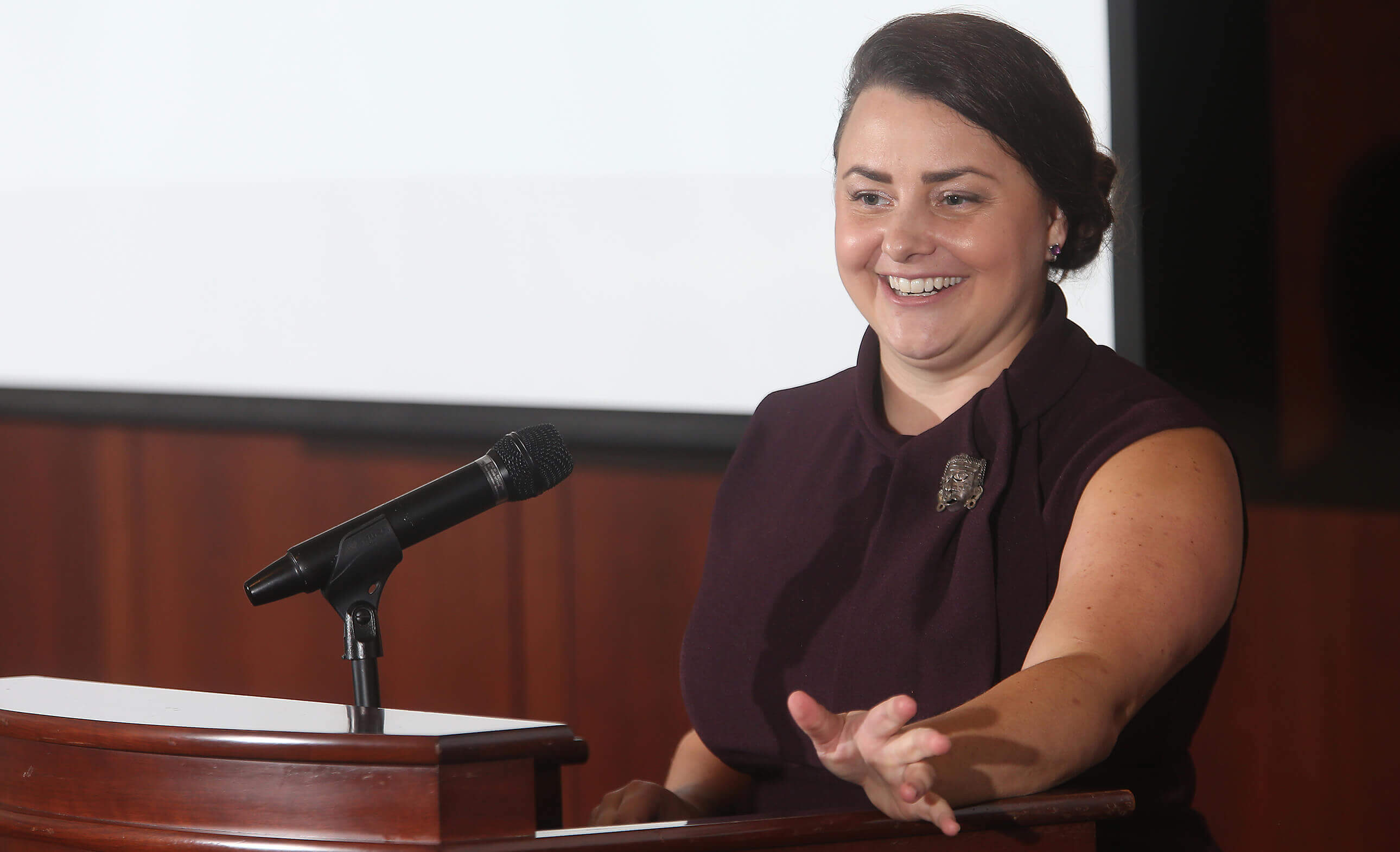
“Food safety is a vitally important issue to a growing global population. The Feed the Future Innovation Lab for Food Safety aligns with our college’s mission to address issues surrounding global food security, delivering research that directly impacts the lives of people around the world,” said Karen Plaut, Purdue’s Glenn W. Sample Dean of the College of Agriculture.
Foodborne illnesses affect 600 million people around the world each year, causing 420,000 deaths, according to the World Health Organization. Children under the age of 5 are especially vulnerable, with more than 125,000 dying of foodborne illnesses annually.
“Food safety can sometimes feel a little bit like polio or lead paint – an old hazard that we’ve mostly figured out here in the United States, except that we haven’t, not for the majority of people in the world,” said Bonnie Glick, deputy administrator of USAID. “Food safety may not capture the headlines that an impending famine does, but it is nonetheless a hugely consequential part of our mission.”
The Food Safety Innovation Lab will focus on improving awareness of the need for food safety measures; supporting local research on food safety issues; building policy and engagement efforts to disseminate information about food safety research; and developing best practices that can be used by households, communities and commercial stakeholders. Food safety programs can directly improve a country’s ability to reach broader global markets with exportable items. They also enhance safety for consumers in countries that import these items.
“To make an impact we need to build awareness and an understanding of what food safety is so stakeholders are motivated to adopt behavior changes that result in decreased exposure to foodborne disease-causing agents,” Oliver said. “We will be working in developing economies that will benefit from food safety research at the household level, improved enabling conditions (e.g. policy), and technologies that support scale-up for producers and processors to reach higher-value markets.”
From Purdue, the lab includes Oliver as director; Paul Ebner, a professor of animal sciences; Jacob Ricker-Gilbert, an associate professor of agricultural economics; Amanda Deering, a clinical assistant professor of food science; Hui-Hui Wang, an assistant professor of agricultural sciences, education and communication; and Gerald Shively, associate dean and director of international programs.
Cornell’s Randy Worobo, a professor of food science, will be the lab’s associate director. Cornell’s Martin Wiedmann, a professor of food science, and Kathryn Boor, dean of the College of Agriculture and Life Sciences, will be on the lab team.
“Feeding the world’s growing population is a definitive, complex challenge of our time — one that requires inquiry and amplification from all sides,” Worobo said. “For that reason and more, our Cornell team is excited to partner with Purdue University in this new endeavor. We look forward to this collaboration that will foster global awareness around the issues of food safety and security.”
Food Safety Innovation Lab team members have experience in more than 25 countries tackling health and food safety issues, ranging from household hygiene to developing entire university departments aimed to improve food safety and security through technology.
“The lab will leverage food safety expertise and partnerships with nonprofit organizations and the private sector to produce change at the foundational level by addressing challenges in safety, nutrition and preservation practices,” said Brian Farkas, head of Purdue’s Department of Food Science. “Haley Oliver’s expertise in food safety microbiology and leadership in international education and capacity building make her eminently qualified to lead this effort.”
Led by U.S. universities, Feed the Future Innovation Labs advance novel solutions to food and nutrition challenges to reduce global hunger, poverty and undernutrition. Purdue is now home to two of the labs, including the Feed the Future Innovation Lab for Food Processing and Post-Harvest Handling. Feed the Future is the U.S. government’s global hunger and food security initiative.
Featured Stories

For Brody Cox, preparing for the Indiana State Fair began long before he entered the show...
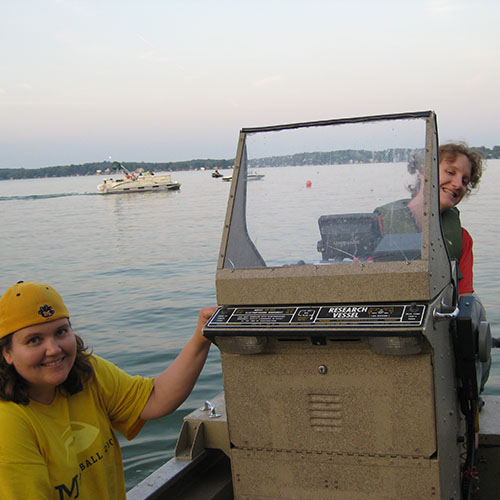
Carolyn Foley, a long-time member of the Purdue Forestry and Natural Resources (FNR) and...

In the September Purdue University/CME Group Ag Economy Barometer survey, 52% of respondents...
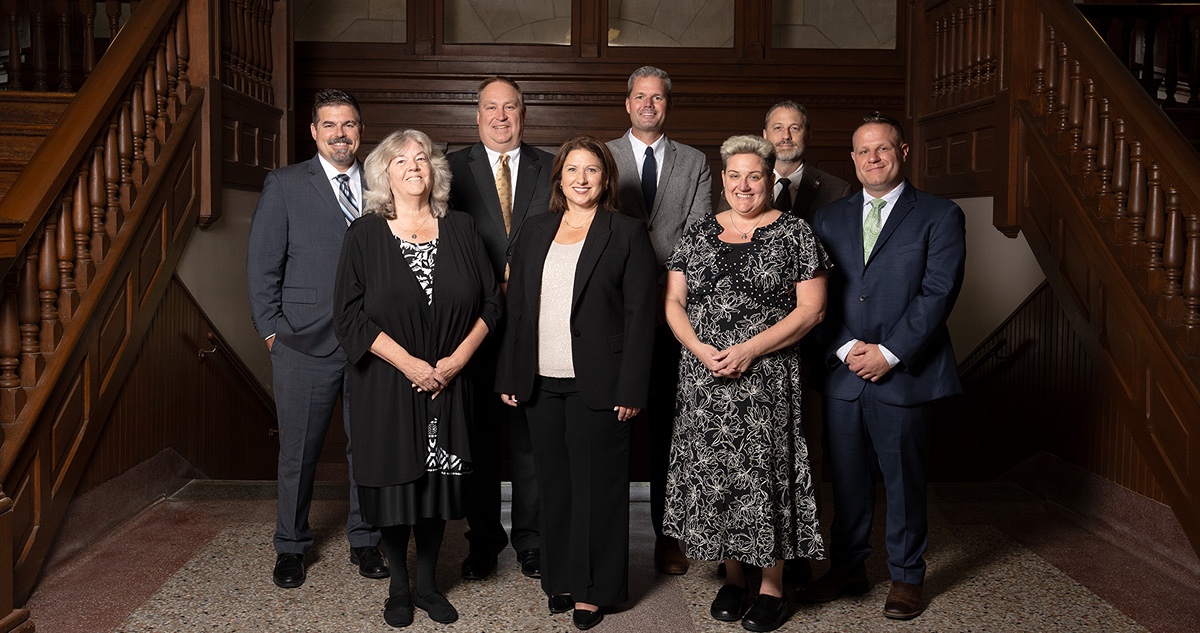
Purdue University’s College of Agriculture recognized nine alumni at the Distinguished...
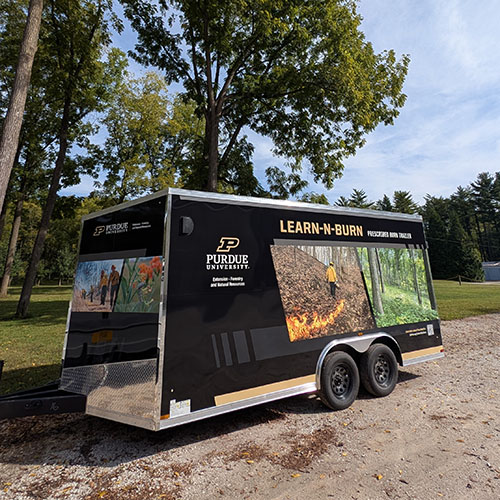
Keep your eyes peeled across Indiana for the newly minted Purdue Forestry and Natural Resources...
“Being at Purdue has changed my thinking entirely,” says Mingyu Zhao, a third-year...