

College of Agriculture appoints first crop of faculty Innovation and Entrepreneurship Ambassadors
Questions
-
- What do you hope to accomplish in your new role as an I&E Ambassador?
- How is your research program well suited to this role?
- How do you hope the College’s emphasis on entrepreneurship and innovation will impact its student body?
John Couture, associate professor, Forestry and Natural Resources
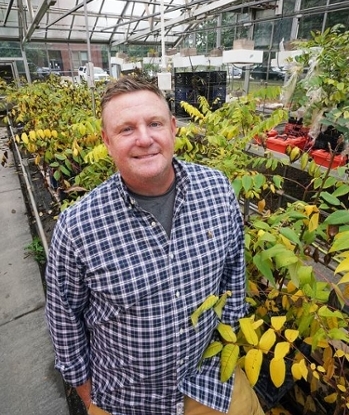
- I would like to increase awareness the potential commercial value of their research and the fact that Purdue has avenues to promote the commercialization of research and research products.
- One aspect of my research program is to use vegetation optical properties to understand plant health. We work with different partners to develop field applications for the outcomes we generate through research.
- I hope it increases student creativity. Knowing that there are avenues and support for developing a project or idea into something more are resources I think would excite students.
Scott Downey, professor, Agricultural Economics
- I think in this role I can increase awareness, interest, desire and action for leveraging discovery into businesses. This will help my colleagues, Purdue and the cities we all live in around it to benefit.
- I’m a bit unique in my ambassadorship as my science is around human behavior and business decision making, rather than discovering technologies that will become businesses. So, I’m here to help others create business opportunities.
- All of our graduates benefit from the prominence of Purdue University. That prominence is enhanced when the work we do is seen as valuable in the marketplaces of ideas, products, and services.
Klein E. Ileleji, professor, Agricultural and Biological Engineering
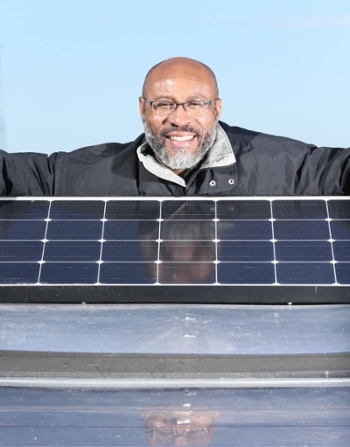
- I aim to help make Purdue’s entrepreneurial ecosystem and all its resources known to more faculty, students and staff in my department, and the university at large through various engagement opportunities on and off campus.
- I think most of us involved in applied research are well suited for this role. In my opinion, it’s about how I have approached my research and acted upon discoveries and generated IPs that have commercial potential that make me well suited for this role.
- It is my hope that this program will create more awareness about the College’s research enterprise and its impact around the world. Agriculture needs to be innovative to be sustainable in the 21stcentury, and innovations would only become adopted through entrepreneurial endeavors. Creating innovations is central to Purdue University large research footprint.
Jian Jin, assistant professor, Agricultural and Biological Engineering
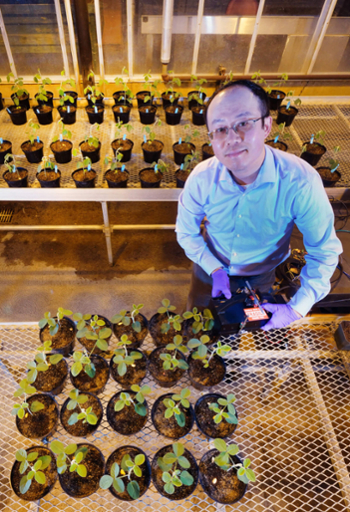
- I hope to connect ABE innovators together to promote commercialization activities and take them to the next level.
- I myself am an innovator and I'm currently working through my company LeafSpec LLC to accelerate the commercialization of our LeafSpec hyperspectral leaf imager, a 2021 Davidson Prize winner.
- This initiative provides great startup and training opportunities for our students at an early stage in their academic careers.
Andrea Liceaga, associate professor, Food Sciences
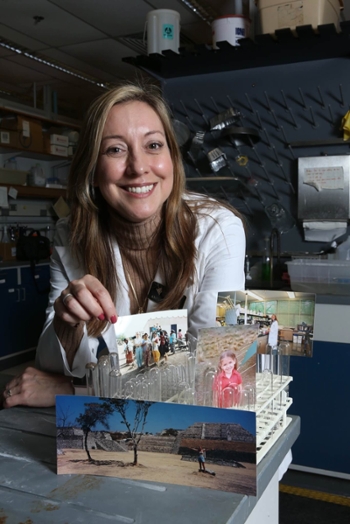
- I hope that I will learn how to properly navigate the innovation and entrepreneurship process and this will help me provide the tools and guidance to other College of Agriculture members interested in pursuing innovated ideas and develop them into entrepreneurship opportunities.
- In my program, we have begun identifying bioactive peptides from novel crops like chia seed that have skin anti-aging activity. The outside interest this has generated has been very encouraging to pursue an intellectual property application.
- I think students will be drawn to work on research projects that have the potential of turning into intellectual property or even provide them the tools to explore their entrepreneurship skills once they graduate.
Maria Marshall, Jim and Lois Ackerman Endowed Chair in Agricultural Economics and director of the North Central Regional Center for Rural Development, Agricultural Economics
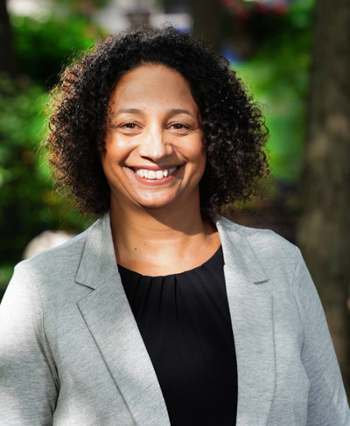
- I hope to decrease barriers to commercialization for faculty, staff and students.
- My research program is focused on small business development. I do a lot of work with entrepreneurs across Indiana helping them think through the start-up process.
- I hope that students in the College of Agriculture will think about owning their own business as a viable career opportunity. I also hope that those going back to family businesses will take an entrepreneurial perspective to grow those businesses.
Dharmendra Mishra, assistant professor, Food Sciences
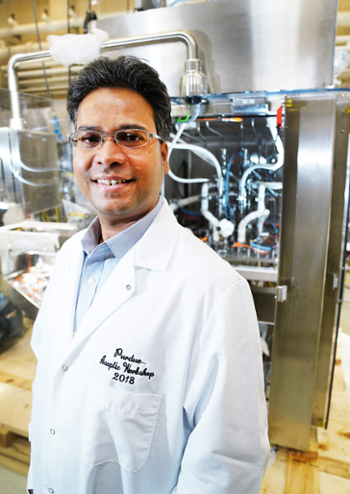
- I would like to explore the untapped potential of research activities and outputs and turn that into a product. I would love to discuss the idea of entrepreneurship with our colleagues and encourage them to think about commercial possibilities of the research.
- My extension and research program is geared towards commercial food manufacturing. There is global demand for healthy and nutritious food that is safe for consumers and my program is focused on solving challenging issues of food manufacturing.
- Students will benefit from this initiative by learning practical applications and solving real life problems. Interested students can get involved in the entrepreneurial activities that will help their long-term vision of bringing innovative products to market.
Bryan Pijanowski, professor, Forestry and Natural Resources
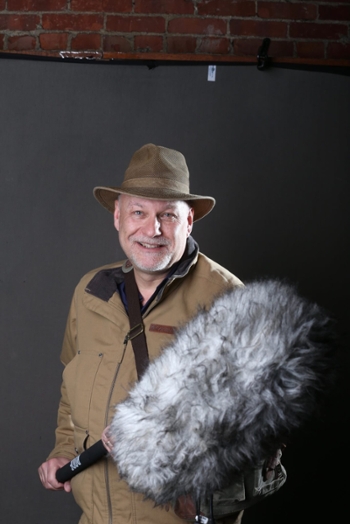
- I plan to help determine how the impressive entrepreneurial ecosystem at Purdue can be best utilized by creative faculty who wish to venture into the space of commercialization. Moving into this area is daunting, complex and requires a different skillset than being a traditional researcher. In the end, discoveries in the labs need to impact society as greatly as they can, and I hope this group can help Purdue to realize this need.
- I am constantly asked to share specific audio recordings with people that will use them for their own projects; these are artists, film producers, science exhibits companies, etc. I know the demand for these are high. However, the area that we are in is different from traditional commercialization. We’ve found ourselves is what is called the Social Impact entrepreneurial space which means one works more closely with not-of-profits. I hope to add to the conversation about commercialization since this is a unique space.
- We need to diversify the preparation of career paths for our students. Many of my graduate students are now interested in starting their own businesses. They need some practical knowledge of how this preparation differs from one that is principally academic.
Katherine Rainey, associate professor, Agronomy
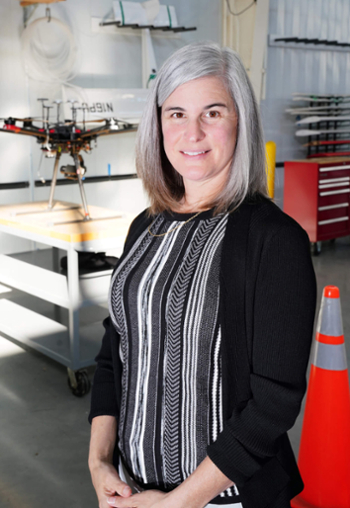
- Multidisciplinary teams and outreach initiatives should form around well-advised goals and I have found the entrepreneurial process of defining value propositions, which I learned from the Foundry and the NSF I-Corp program, to be especially beneficial to refining my research goals. This is a lens through which to view the land-grant missions in the future.
- I am a plant breeder, which is a science that augments century-old methods with new knowledge and approaches from a range of disciplines. I have led a multidisciplinary team that leverages the core breeding role so that my lab, students, and collaborators are at the cutting-edge of the emergent field of phenomics. This includes persevering to found a start-up company that delivers Purdue technology that enables phenomics and digital agriculture.
- I think the notion “killing ideas”, or “failing fast”, through market research is great way for students to refine their own career goals and gain confidence in them.
Torbert Rocheford, Patterson Endowed Chair for Translational Genomics in Crop Improvement, Agronomy
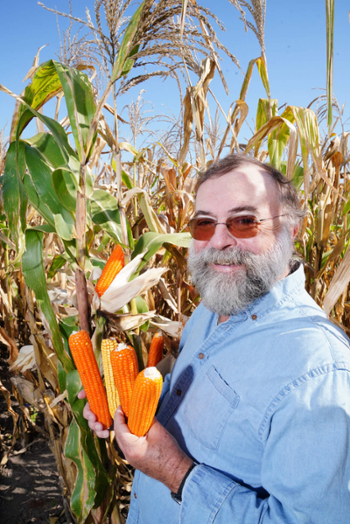
Torbert Rocheford’s research program focuses on the natural genetic modification of staple crops, especially corn, to increase levels of macronutrients, a term known as biofortification. Working with the organization HarvestPlus, he brought corn fortified with Vitamin A to communities in Africa. More recently, Rocheford has leveraged his decades of knowledge into founding NutraMaize, a company working to introduce biofortified corn to American markets.
Featured Stories
The Office of Indiana State Chemist (OISC) is warning Indiana residents about an illegal...
A prominent protein on most human cells may be key to unlocking the code that makes humans...
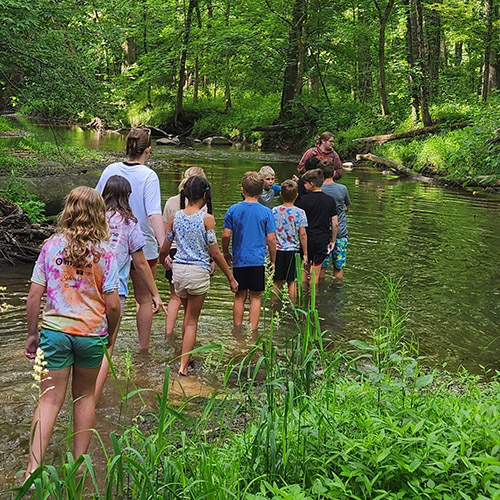
Ava Hoskins, a double major in aquatic sciences (fisheries concentration) and natural resources...
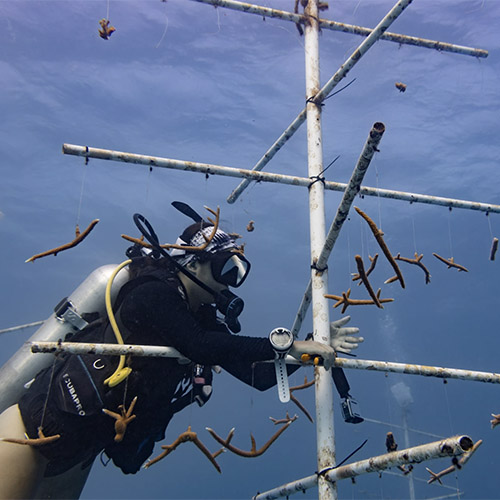
Ashlynn McLaughlin, a senior aquatic sciences major with a concentration in marine and freshwater...
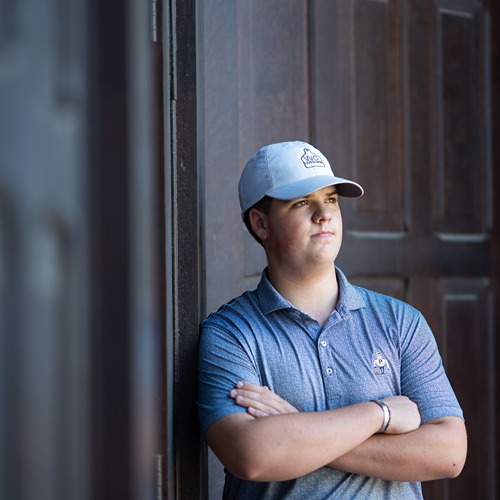
For Brody Cox, preparing for the Indiana State Fair began long before he entered the show...
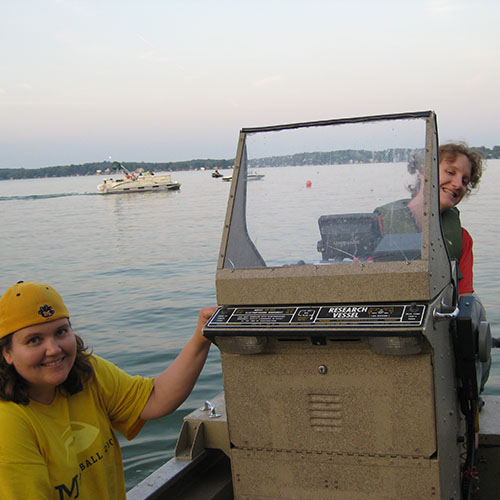
Carolyn Foley, a long-time member of the Purdue Forestry and Natural Resources (FNR) and...