

Inside Purdue's animal genetics program
Luiz Brito, professor of animal sciences, and Hinayah Rojas de Oliveira, assistant professor of animal sciences, lead complementary research programs focused on animal genetics and genomics. Together, they mentor students, collaborate across disciplines and work to address challenges facing livestock producers around the world.
For Brito, an interest in genetics began at a young age.
"I have always been very passionate about animals," Brito said. "As I was growing up, I used to breed guinea pigs, and I wanted to predict the feather color of the offspring, so I have always been very interested in genetics."
Brito grew up on a farm in Brazil and later earned his bachelor's and master's degrees from the Federal University of Viçosa, an institution with a long history of collaboration with Purdue. Those connections introduced him to Purdue early in his academic career. He later earned his Ph.D. from the University of Guelph in Canada. After completing his doctoral studies, Brito saw an open faculty position in the Department of Animal Sciences at Purdue and applied.
Rojas also attended the Federal University of Viçosa, where she earned her bachelor's, master's and doctoral degrees. However, her path to Purdue followed a different route.
After completing her Ph.D., Rojas joined Purdue as a postdoctoral researcher in Brito's lab. She later worked as a geneticist for Lactanet before returning to Purdue as a faculty member.
"I fell in love with genetics and genomics later in my life," Rojas said. "I worked in industry before, which I loved, but I was missing teaching."
That desire to work with students ultimately led her back to academia.
"Purdue seemed like a logical choice," Rojas said. "In the moment that I decided to make this transition, they had a position open. It was perfect timing."
Today, Brito's research program focuses on quantitative genomics applied to livestock behavior, welfare and resilience, as well as the genetics of minor (less-researched) livestock species, including sheep, goats, alpacas, ducks, turkeys and quail. Rojas' research program focuses on sustainability in livestock production, longitudinal traits measured throughout an animal's life and developing novel phenotypes using image-based and genomic technologies.
Beyond their research programs, Brito and Rojas play active roles in the classroom. Together, they teach ANSC 311: Animal Breeding and Genetics while also offering graduate courses in animal breeding, quantitative genomics and current topics in genomics.
Both professors mentor a growing number of graduate students, postdoctoral researchers and visiting scholars focused on animal genetics and genomics. Rojas currently advises seven graduate students, two postdoctoral researchers and one visiting scholar. Brito's program includes 12 graduate students, five postdoctoral researchers and four visiting scholars.
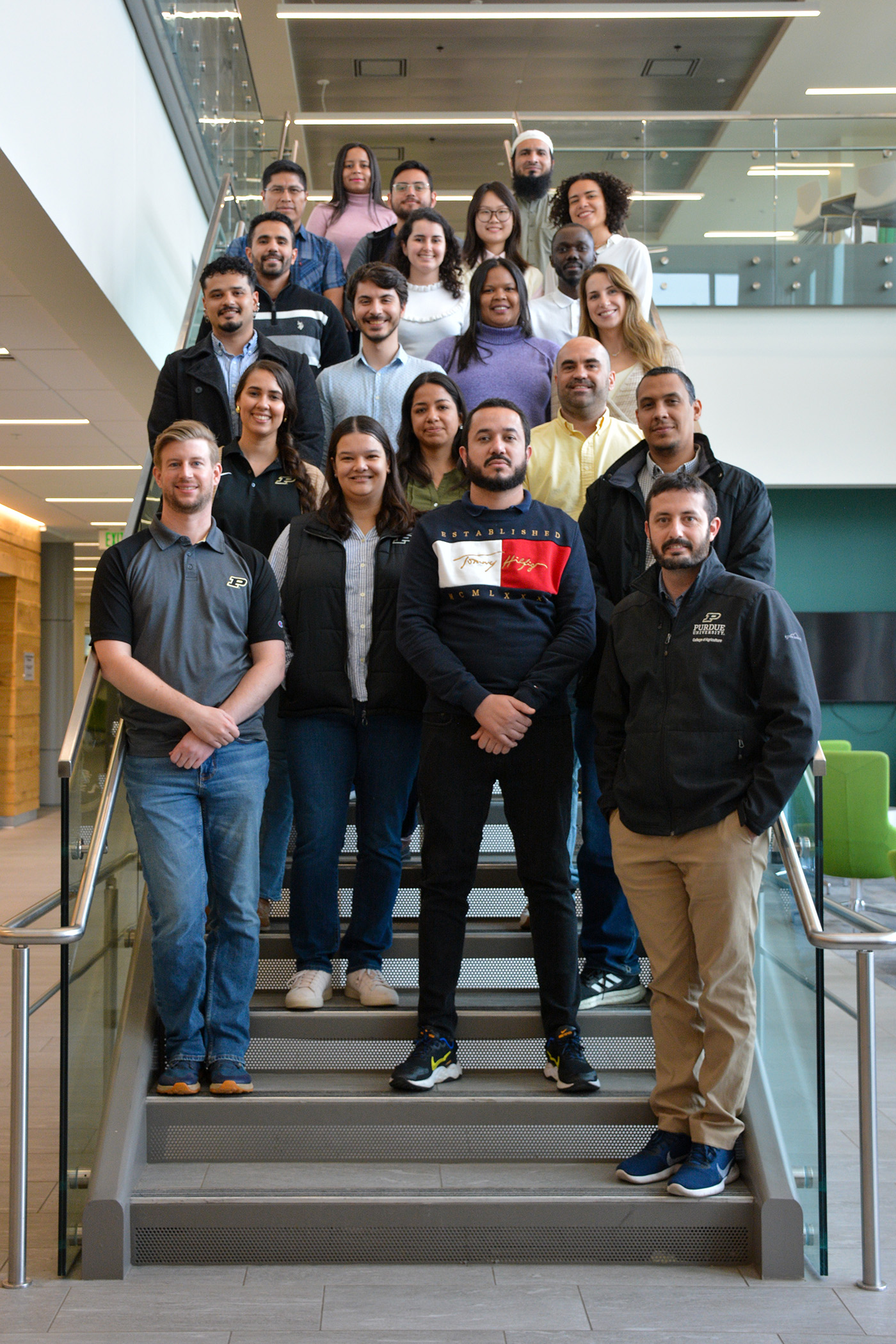 Members of Luiz Brito's research lab in Purdue University's Department of Animal Sciences.
 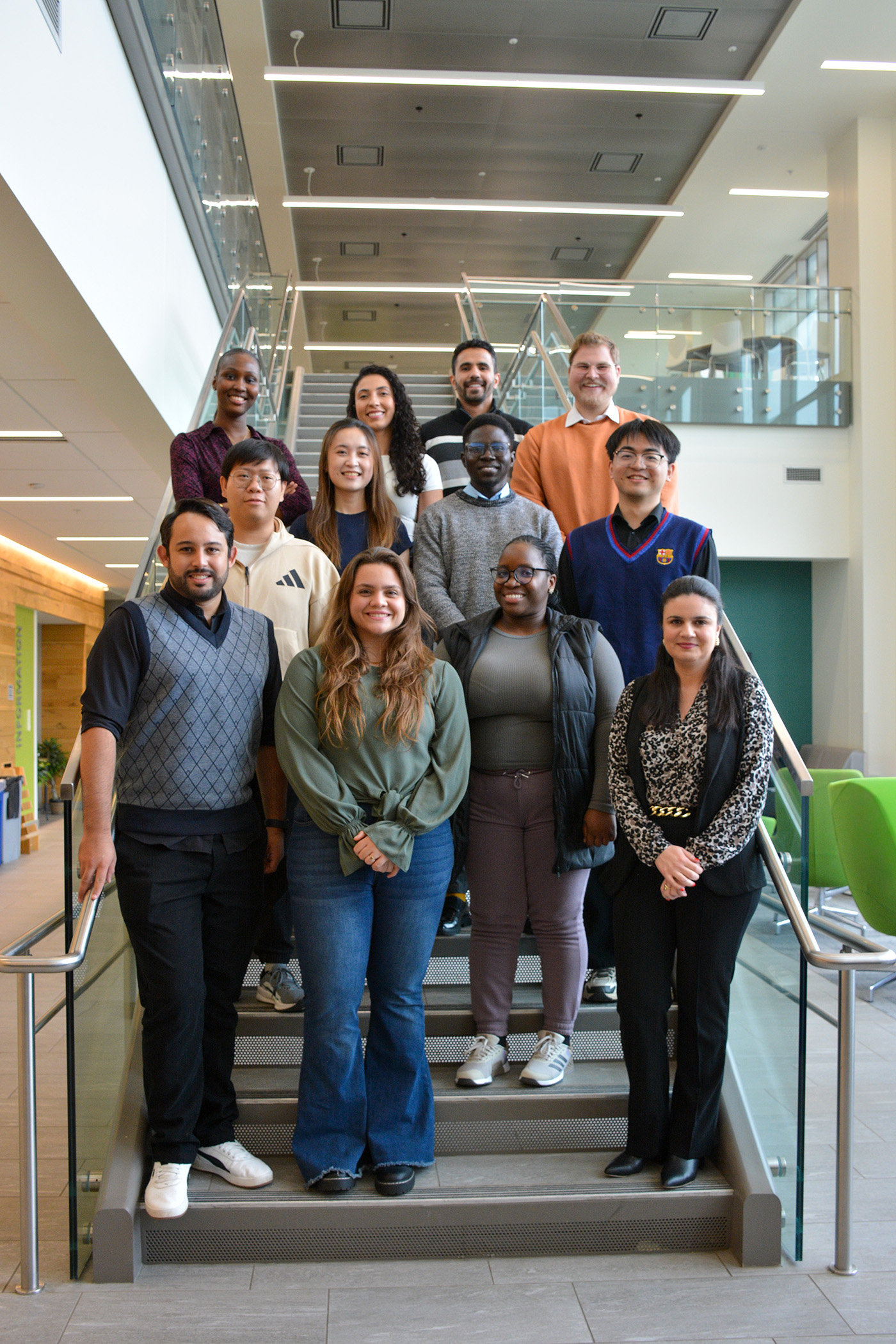 Members of Hinayah Rojas de Oliveira's research lab in Purdue University's Department of Animal Sciences.
 Despite leading separate research programs, the two faculty members work closely together. Students regularly collaborate across labs, participate in joint genomics meetings and benefit from a shared culture focused on mentorship and professional development.
For both researchers, student success is one of the most rewarding parts of their careers.
"I like to see people learning new things," Rojas said. "I like the surprise on their faces when they actually understand something."
Brito shares a similar perspective.
"What excites me the most is actually seeing students grow," he said. "I love seeing how they learn and then seeing them finish, graduate, and get jobs."
An important part of that collaborative environment is the continued involvement of Professor Emeritus Allan Schinckel, Ph.D., who remains active in student training, graduate committees and animal breeding education. Brito and Rojas credit Schinckel as a valuable mentor and supporter of both students and faculty within Purdue's animal genetics community.
Their contributions to animal genetics have earned recognition both within Purdue and beyond. Brito was named a Purdue University Faculty Scholar and received an Early Career Achievement Award for his work related to heat tolerance in pigs. Both Brito and Rojas have also been recognized by the Purdue College of Agriculture for their research impact.
Beyond their research accomplishments, both faculty members emphasize the importance of genetics education for future animal scientists.
"They may provide the best nutrition and the best environmental conditions, but if those animals don't have good genetics, they won't perform well," Brito said.
Rojas added that genetics serves as the foundation for animal performance.
"If we want to increase production and efficiency, we need to improve genetics," she said.
Through research, teaching and mentorship, Brito and Rojas are helping expand the role of genetics and genomics in animal agriculture while creating opportunities for students to contribute to the field's future.
Featured Stories
Ask Purdue biochemistry students in the College of Agriculture about their experience and their...

By learning how to cut through the hype and focus on what truly matters, you can shop smarter...

Channing Arndt, research professor in agricultural economics and director of the Global Trade...
Daniel Szymanski and his former postdoctoral scholar Youngwoo Lee, lead author on their paper...
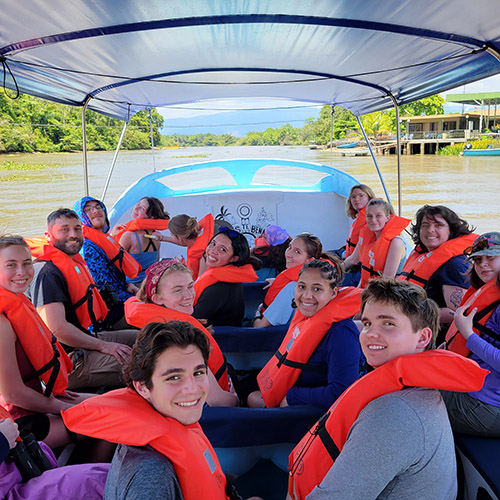
The Costa Rica Rainforest Experience study abroad trip allowed students to experience the wonders...
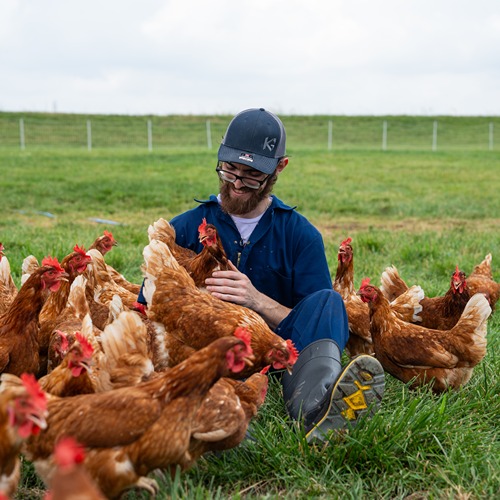
Trask is writing a new narrative about rats, birds and people as he pursues his doctorate in...