

Researchers Seek Maple Syrup Producer Feedback with New Survey
Researchers are working to scale up the green production of maple syrup in the Central Hardwood Region.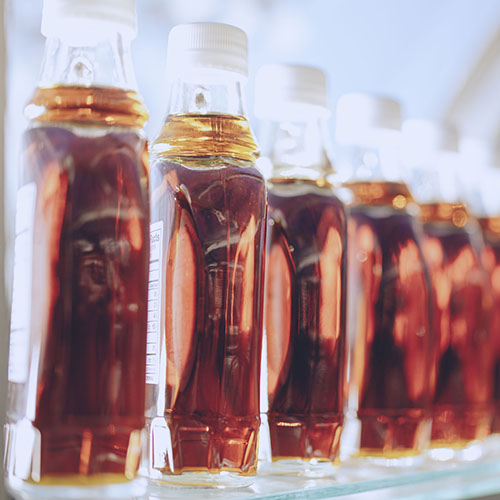 As part of the project, which will help shape the future of the industry, researchers are asking producers to participate in a new survey, sharing their experiences, challenges and perspectives on sustainable production and cooperative opportunities.
“A producer co-op could help strengthen Indiana’s maple syrup industry by reducing production costs, expanding market opportunities, improving profitability, and lowering the environmental footprint of maple syrup production,” said Dr. Mo Zhou, associate professor of forest economics and management. “But for such co-ops to succeed, it must reflect the needs and preferences of producers. This survey seeks to understand producers’ willingness to participate in a co-op and the types of co-op arrangements that would best serve them. The survey responses will help us explore a co-op model that benefits individual producers while supporting the long-term growth and sustainability of Indiana’s maple syrup industry.”
The deadline to complete the survey is Nov. 30, 2026.
The fully confidential survey, which will take between 15 and 25 minutes to complete, asks about:
- Maple syrup production practices
- Production and marketing challenges
- Sustainable “green” production practices
- Cooperative participation and preferences
- Educational and technical assistance needs.
Participants may skip any questions they do not wish to answer or stop participating in the survey at any time. No personal identifiable information will be collected and survey responses will remain anonymous and only will be reported in summary form.
“Clearly, there is a great need and potential for expanding the “green” production of maple syrup in Indiana through engaging more private landowners in sugaring activities,” PhD student Jean Fritz Saint Preux said. “We will use Indiana as a model to produce new research that will help develop and disseminate decision-making and educational tools and promote the production of sustainable, low-carbon-footprint maple syrup and other sap-based products. The project findings will be transferable to other states in Central Hardwood Region because of the similarity in the forest type, land ownership and many other attributes.”
The project is supported by the USDA Acer Access and Development Program.
Featured Stories
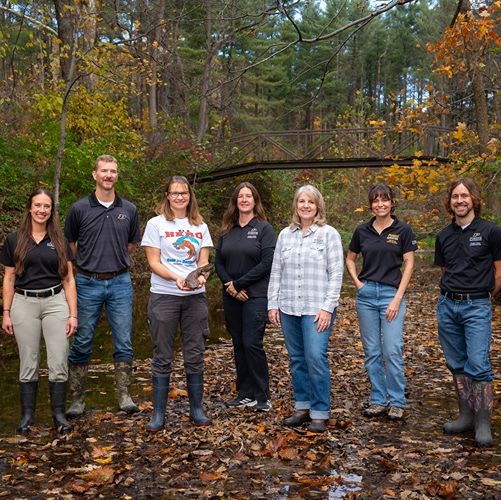
The Help the Hellbender research program, which is housed within the Department of Forestry and...
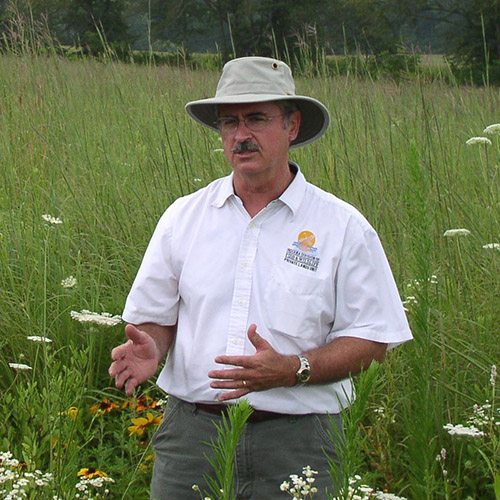
Although Dean Zimmerman (BS Wildlife 1971) retired in 2015 after spending 43 years with the...

Zhao Ma started her academic path pursuing a degree in material physics from the University of...
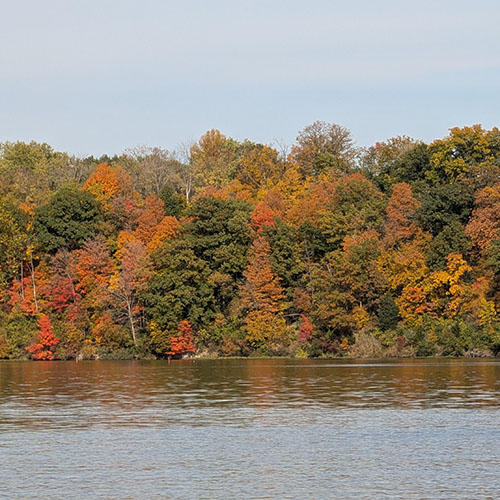
Do you have a favorite place, species, landscape or natural phenomenon in Indiana? Share it with...
The U.S. Forest Service invested decades of work and tens of millions of dollars to develop a...

For her contributions to and impact on wildlife management in the state of Indiana, Geriann...