

Environmental One Health
Signature Themes
The Department of Forestry and Natural Resources is characterized by broad scholarly activities across diverse disciplines and mission areas. To highlight the department's impactful programming, we have organized our integrative activities across three cross-cutting themes: Conservation Science, Advanced Ecological Sensing and Analytics, and Environmental One Health.
Purdue University’s One Health initiative brings together researchers from different disciplines to tackle problems that sit at the intersection of environmental quality, animal health and human well-being. Advancing the Environmental One Health Theme, faculty in Forestry and Natural Resources (FNR) are conducting research that links ecosystem processes directly to public health outcomes in Indiana and beyond. FNR’s research illustrates how integrated ecological science, disease modeling and human dimensions research can inform practical solutions that promote environmental resilience and protect both animal and human health.
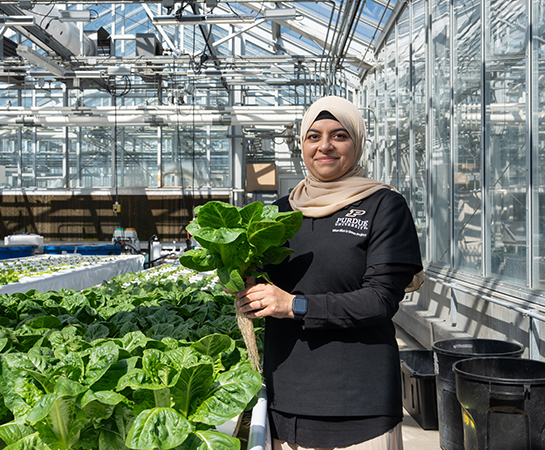
Aquaponics Project Seeks to Boost Midwest Seafood Production
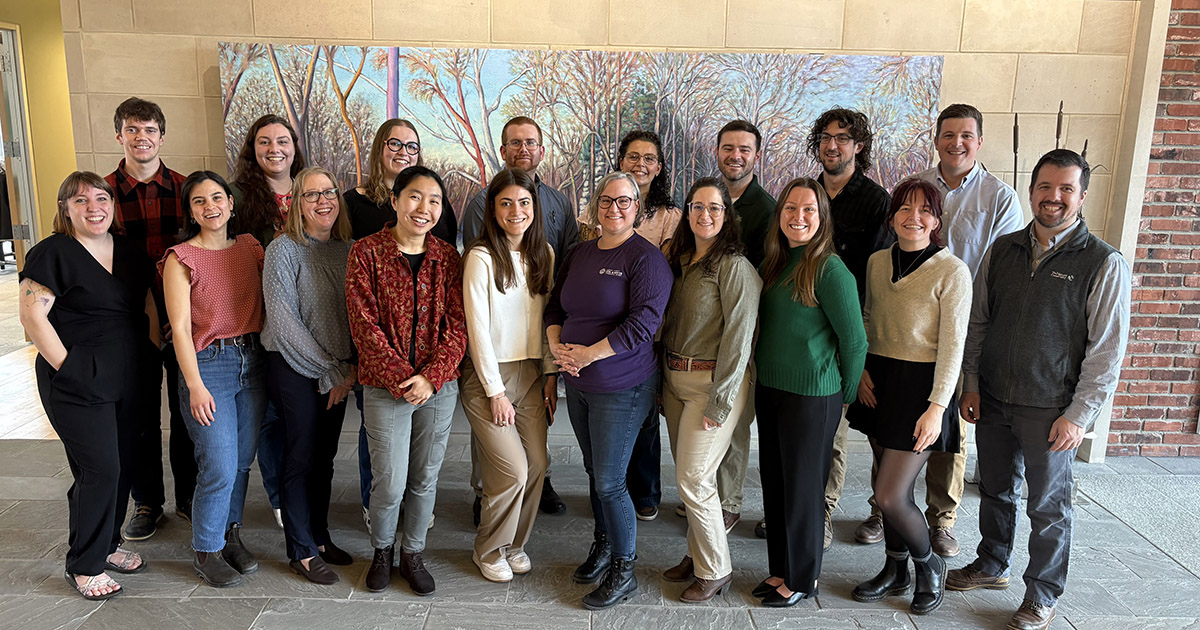
The Indiana Land Stewardship Leadership Academy is celebrating the successful graduation of its...

A new AI-based method is making urban tree inventories faster, cheaper, and accessible to smaller...
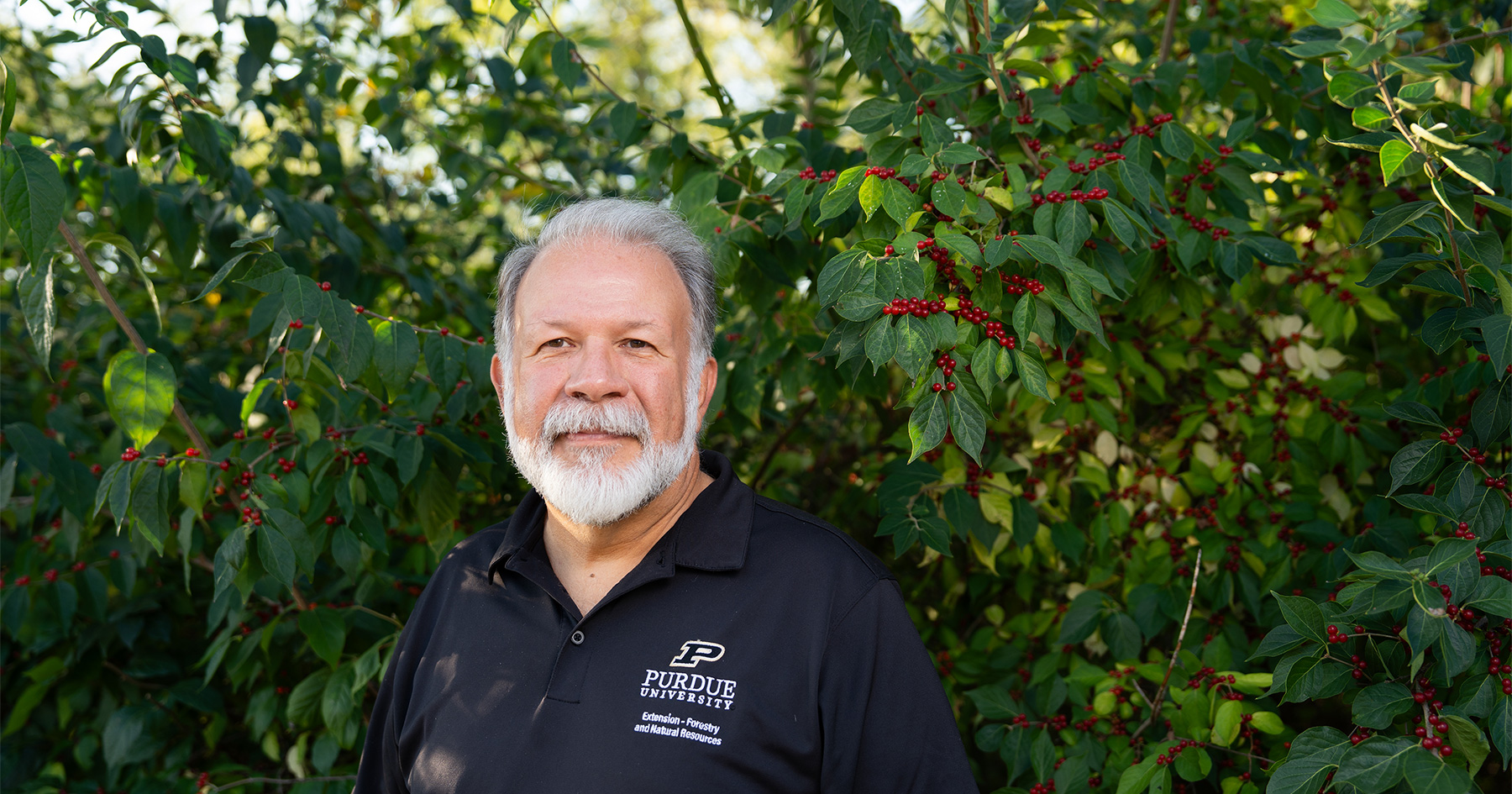
Purdue Extension leads efforts to combat invasive species like spotted lanternfly, protecting...
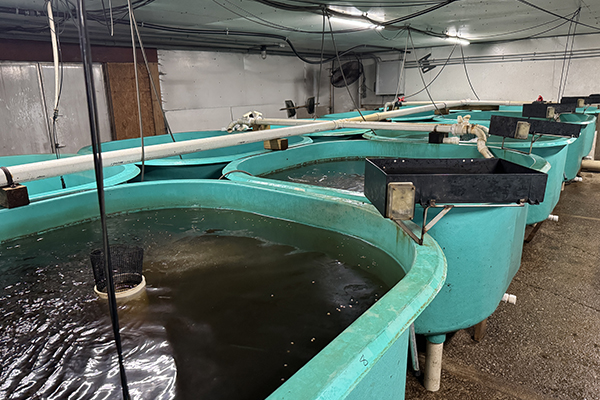
Advancing Sustainable Aquaculture Production Systems
Dr. Kwamena Quagrainie and Amy Shambach are working to provide resources and technical assistance to the aquaculture industry for sustainable production of seafood to supplement supply from commercial fisheries. By providing science-based market information on seafood products and consumer preferences, they help make the supply chain for farmed fish products more efficient. They also provide consumers with resources about farmed seafood products as a healthy protein alternative. Continued engagement with the aquaculture industry addresses issues related to water quality, feed, fish health, farm management and marketing. Meanwhile, aquaculture outreach efforts have strengthened rural employment and expanded economic opportunities, while helping stabilize local communities. Promoting environmentally responsible aquaculture production practices has ensured efficient use of land and water resources, making aquaculture a sustainable seafood option. Outreach activities are supporting a dependable national seafood supply, increasing domestic seafood output and creating consumer awareness of nutritional benefits of farmed fish.
Quagrainie and Dr. Paul Brown are co-principal investigators on a $10 million project funded by the USDA Sustainable Agriculture Systems initiative, which includes economic analysis of aquaponic systems, evaluations of new subsystems integrated into aquaponics systems (algae and anaerobic digestion) and introducing this integrated project to Purdue students.
Aquaculture Lab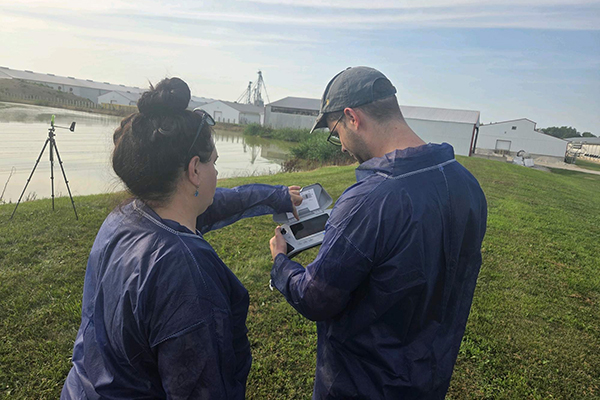
Data-driven Tools for Stronger Defenses
Dr. Pat Zollner is collaborating with Dr. Darrin Karcher and Dr. Sara Cloft in the Department of Animal Sciences on a project funded by the U.S. Poultry and Egg Association. The poultry industry is increasingly challenged by Highly Pathogenic Avian Influenza (HPAI) transmission, which arises from the complex interactions between domestic poultry and wild bird populations, which act as reservoirs for the virus. This research seeks to investigate HPAI transmission dynamics within poultry facilities, emphasizing the influence of environmental factors, wildlife density and biosecurity measures. The primary goal is to develop an agent-based model to simulate HPAI transmission in a hypothetical laying hen facility, enabling the evaluation of various scenarios and mitigation strategies. Computational modeling and empirical data collection will be employed to meet these objectives.
The model will be developed with clear documentation and reproducibility. Wildlife density, proximity to attractive habitats and biosecurity practices will be incorporated to simulate parameters for outbreak scenarios. Data from commercial laying hen facilities and from turkey and dairy facilities, collected using aerial surveillance and sound recordings, will assess wildlife activity patterns and their correlation with known transmission risks. This integrated approach will provide a comprehensive analysis of the factors driving HPAI spread and evaluate the effectiveness of control measures. This study will help update biosecurity protocols and best management practices to respond to the ever-changing nature of HPAI and other wild animal-transmitted diseases. This work will provide significant benefits to the poultry industry by bolstering resilience against HPAI, protecting animal health and economic stability.
Nature-Driven Classrooms, Healthier Minds
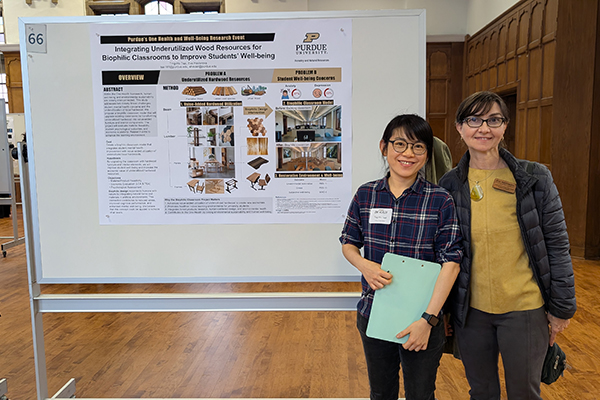
Within the One Health framework, human well-being and environmental sustainability are closely interconnected. Research by Eva Haviarova and doctoral scholar Ting-Ho Tsai aims to link the integration of underutilized local hardwood resources to improving students’ well-being and mental health through the development of a biophilic classroom model. Biophilic design reconnects humans with nature by integrating natural forms and materials into artificial environments. This connection is believed to contribute to stress reduction, improved cognitive performance and enhanced mental well-being. After enhancing the learning environment by installing hardwood furniture and other interior elements in classrooms, researchers will evaluate the feasibility of using the material, student feedback and economic scalability. If successful, the concept could be applied to schools of all levels, while also adding value to underutilized hardwoods, plantation wood, lesser-used wood species and urban wood.
Educating Youth for a Healthier Future
Empowering the next generation with knowledge about the environment, stewardship and the physical and mental well-being that comes from being in nature is an important aspect of One Health. Purdue FNR faculty and staff are engaged in many aspects of youth environmental education. These efforts collectively work to build the next generation’s understanding of how our health is connected to environmental and wildlife health.
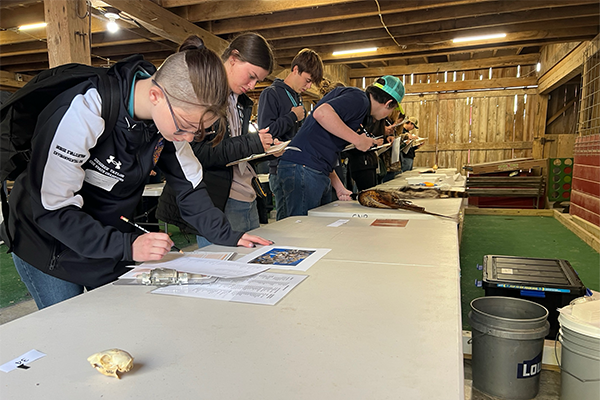
Extension specialists Brian MacGowan and Jarred Brooke help deliver the Wildlife Habitat Education Program, a 4-H and FFA career development event, to more than 100 Indiana youth each year.
Extension specialist Lenny Farlee teaches Indiana educators about forest stewardship through the Natural Resources Teachers Institute.
Brooke and Extension educator Veronica Bullock co-lead the Nature of Teaching, a standards-based K-12 curriculum focused on natural resources, food waste and the health and wellness associated with being in nature. From 2023 to 2025, the Nature of Teaching curriculum was delivered to more than 1,600 Indiana youth and downloaded more than 300,000 times.
Megan Gunn, Illinois-Indiana Sea Grant public engagement specialist, engages with Indiana youth across the state through several outreach events, including summer camps, the 4-H Academy and Grandparents University.
WHEP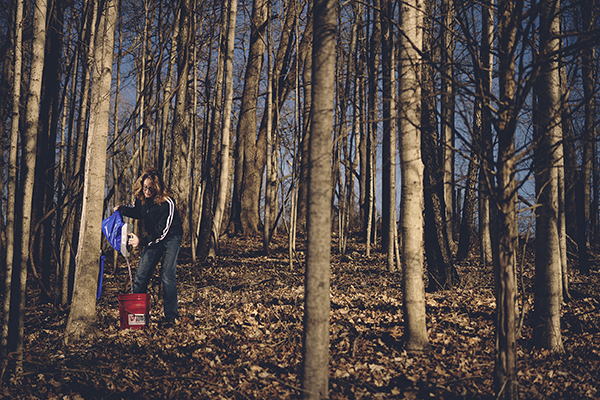
Connecting Forests, Food and Communities
Dr. Mo Zhou, Extension forester Lenny Farlee and PhD student Jean Fritz Saint Preux are working on a USDA Agricultural Marketing Service project regarding cooperative innovation for sustainable maple syrup. Maple syrup is more than a sweetener; it connects people to healthy food, healthy forests and healthy rural economies. However, U.S. producers face steep challenges, including aging producers, high entry costs and poor forest management. This research explores a dual innovation: cooperative models paired with a digital app. Cooperatives allow producers to pool resources and share costs, while the app provides financial tools and a platform to connect new producers. Together, they lower barriers to entry, cut energy use and strengthen economic resilience. This approach sustains healthy food by keeping maple syrup local, promotes healthy forests through active stewardship and supports healthy rural economies by creating opportunities for the next generation of producers.
Assessing Risks in Urban Soil Systems
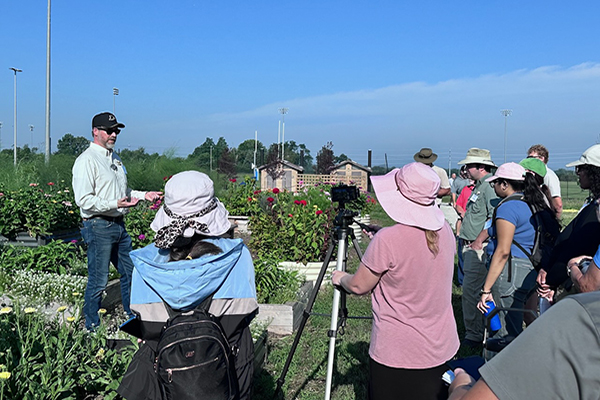
Dr. Zhao Ma and urban agriculture specialist Nathan Shoaf are investigating the human dimensions of soil contamination in urban agriculture through a collaborative project with Purdue Extension. This research uses social science theories and methods to investigate how urban farmers perceive the risk of soil contamination from legacy pollution, industrial activities and other potential exposure pathways, as well as the perceived impact of soil contamination on human health at the household and community levels. It also examines and assesses how urban farmers adopt various sustainable practices to mitigate soil contamination, enhance soil health and, more broadly, environmental health in metropolitan areas.
One of the key findings is that urban farmers are reluctant to conduct soil testing. Among their concerns: cognitive biases, trust issues and fear of adverse testing results creating stigma toward their operation and subsequent barriers to comprehensive health protection. By fostering interdisciplinary approaches that prioritize practical, farmer-driven solutions over isolated testing protocols, Purdue can better connect urban agricultural communities with broader soil health, sustainable land management and human health goals, ultimately strengthening urban food systems.
HEMA Lab
Advancing Sustainable Aquaculture Production Systems
Dr. Kwamena Quagrainie and Amy Shambach are working to provide resources and technical assistance to the aquaculture industry for sustainable production of seafood to supplement supply from commercial fisheries. By providing science-based market information on seafood products and consumer preferences, they help make the supply chain for farmed fish products more efficient. They also provide consumers with resources about farmed seafood products as a healthy protein alternative. Continued engagement with the aquaculture industry addresses issues related to water quality, feed, fish health, farm management and marketing. Meanwhile, aquaculture outreach efforts have strengthened rural employment and expanded economic opportunities, while helping stabilize local communities. Promoting environmentally responsible aquaculture production practices has ensured efficient use of land and water resources, making aquaculture a sustainable seafood option. Outreach activities are supporting a dependable national seafood supply, increasing domestic seafood output and creating consumer awareness of nutritional benefits of farmed fish.
Quagrainie and Dr. Paul Brown are co-principal investigators on a $10 million project funded by the USDA Sustainable Agriculture Systems initiative, which includes economic analysis of aquaponic systems, evaluations of new subsystems integrated into aquaponics systems (algae and anaerobic digestion) and introducing this integrated project to Purdue students.
Aquaculture Lab
Data-driven Tools for Stronger Defenses
Dr. Pat Zollner is collaborating with Dr. Darrin Karcher and Dr. Sara Cloft in the Department of Animal Sciences on a project funded by the U.S. Poultry and Egg Association. The poultry industry is increasingly challenged by Highly Pathogenic Avian Influenza (HPAI) transmission, which arises from the complex interactions between domestic poultry and wild bird populations, which act as reservoirs for the virus. This research seeks to investigate HPAI transmission dynamics within poultry facilities, emphasizing the influence of environmental factors, wildlife density and biosecurity measures. The primary goal is to develop an agent-based model to simulate HPAI transmission in a hypothetical laying hen facility, enabling the evaluation of various scenarios and mitigation strategies. Computational modeling and empirical data collection will be employed to meet these objectives.
The model will be developed with clear documentation and reproducibility. Wildlife density, proximity to attractive habitats and biosecurity practices will be incorporated to simulate parameters for outbreak scenarios. Data from commercial laying hen facilities and from turkey and dairy facilities, collected using aerial surveillance and sound recordings, will assess wildlife activity patterns and their correlation with known transmission risks. This integrated approach will provide a comprehensive analysis of the factors driving HPAI spread and evaluate the effectiveness of control measures. This study will help update biosecurity protocols and best management practices to respond to the ever-changing nature of HPAI and other wild animal-transmitted diseases. This work will provide significant benefits to the poultry industry by bolstering resilience against HPAI, protecting animal health and economic stability.
Nature-Driven Classrooms, Healthier Minds
Within the One Health framework, human well-being and environmental sustainability are closely interconnected. Research by Eva Haviarova and doctoral scholar Ting-Ho Tsai aims to link the integration of underutilized local hardwood resources to improving students’ well-being and mental health through the development of a biophilic classroom model. Biophilic design reconnects humans with nature by integrating natural forms and materials into artificial environments. This connection is believed to contribute to stress reduction, improved cognitive performance and enhanced mental well-being. After enhancing the learning environment by installing hardwood furniture and other interior elements in classrooms, researchers will evaluate the feasibility of using the material, student feedback and economic scalability. If successful, the concept could be applied to schools of all levels, while also adding value to underutilized hardwoods, plantation wood, lesser-used wood species and urban wood.
Educating Youth for a Healthier Future
Empowering the next generation with knowledge about the environment, stewardship and the physical and mental well-being that comes from being in nature is an important aspect of One Health. Purdue FNR faculty and staff are engaged in many aspects of youth environmental education. These efforts collectively work to build the next generation’s understanding of how our health is connected to environmental and wildlife health.
Extension specialists Brian MacGowan and Jarred Brooke help deliver the Wildlife Habitat Education Program, a 4-H and FFA career development event, to more than 100 Indiana youth each year.
Extension specialist Lenny Farlee teaches Indiana educators about forest stewardship through the Natural Resources Teachers Institute.
Brooke and Extension educator Veronica Bullock co-lead the Nature of Teaching, a standards-based K-12 curriculum focused on natural resources, food waste and the health and wellness associated with being in nature. From 2023 to 2025, the Nature of Teaching curriculum was delivered to more than 1,600 Indiana youth and downloaded more than 300,000 times.
Megan Gunn, Illinois-Indiana Sea Grant public engagement specialist, engages with Indiana youth across the state through several outreach events, including summer camps, the 4-H Academy and Grandparents University.
WHEP
Connecting Forests, Food and Communities
Dr. Mo Zhou, Extension forester Lenny Farlee and PhD student Jean Fritz Saint Preux are working on a USDA Agricultural Marketing Service project regarding cooperative innovation for sustainable maple syrup. Maple syrup is more than a sweetener; it connects people to healthy food, healthy forests and healthy rural economies. However, U.S. producers face steep challenges, including aging producers, high entry costs and poor forest management. This research explores a dual innovation: cooperative models paired with a digital app. Cooperatives allow producers to pool resources and share costs, while the app provides financial tools and a platform to connect new producers. Together, they lower barriers to entry, cut energy use and strengthen economic resilience. This approach sustains healthy food by keeping maple syrup local, promotes healthy forests through active stewardship and supports healthy rural economies by creating opportunities for the next generation of producers.
Assessing Risks in Urban Soil Systems
Dr. Zhao Ma and urban agriculture specialist Nathan Shoaf are investigating the human dimensions of soil contamination in urban agriculture through a collaborative project with Purdue Extension. This research uses social science theories and methods to investigate how urban farmers perceive the risk of soil contamination from legacy pollution, industrial activities and other potential exposure pathways, as well as the perceived impact of soil contamination on human health at the household and community levels. It also examines and assesses how urban farmers adopt various sustainable practices to mitigate soil contamination, enhance soil health and, more broadly, environmental health in metropolitan areas.
One of the key findings is that urban farmers are reluctant to conduct soil testing. Among their concerns: cognitive biases, trust issues and fear of adverse testing results creating stigma toward their operation and subsequent barriers to comprehensive health protection. By fostering interdisciplinary approaches that prioritize practical, farmer-driven solutions over isolated testing protocols, Purdue can better connect urban agricultural communities with broader soil health, sustainable land management and human health goals, ultimately strengthening urban food systems.
HEMA Lab